
If your dog tends to bark, lunge, or growl at the slightest thing—whether it’s another dog, a passerby, or loud noises—you’re not alone in wanting to find a better way to handle these intense reactions. Reactive behaviour can make walks stressful and social situations tricky for both you and your pet. The good news is that with the right approach, you can help your dog learn calmer responses that improve their confidence and your peace of mind. This article breaks down practical steps and effective techniques that turn overwhelming moments into chances for growth—for you and your dog.
Reactive dog training focuses on teaching dogs that exhibit overreactions such as barking, lunging, or growling in response to environmental triggers like other dogs, people, or sounds. Through positive reinforcement techniques and gradual desensitisation, this training helps your dog learn calm responses and improve their behaviour, making walks and social interactions safer and more enjoyable for both you and your pet.
Recognising Reactive Dog Behaviour
Reactive dogs typically express their feelings through barking, lunging, or growling when faced with particular triggers. These behaviours aren’t just random outbursts; they are intentional responses rooted in fear, anxiety, or overstimulation. Understanding these behaviours early on equips you with a clearer picture of how your dog perceives the world around them. This clarity transforms training from a guessing game into a focused effort.
Common triggers can vary widely, and observing your dog closely helps uncover what specifically sets them off. It could be meeting other dogs during walks, encountering strangers approaching the house, or sudden noises like thunderstorms or fireworks. Each trigger evokes a different intensity and type of reaction but all signal that your dog is struggling to cope with an overwhelming stimulus.
Identifying Triggers
An effective method to begin managing reactivity is by carefully noting each instance your dog reacts strongly. Keeping a journal detailing time, place, what preceded the reaction, and how severe it was provides invaluable insight. For example, you might record that your dog barks loudly and tenses up whenever a cyclist passes nearby or becomes defensive at the sight of particular breeds. Tracking these patterns allows you to anticipate situations and tailor training exercises specifically targeting those triggers.
Once you’ve identified what sparks reactive behaviour, the next step is understanding the degree of reactivity so you can approach training with appropriate care.
Assessing Intensity
Behaviour experts often assess reactivity on a scale from 1 to 10—where 1 might mean mild alertness with subtle signs like stiffening posture, and 10 signifies aggressive lunging or uncontrollable barking. Gauging where your dog falls on this scale helps determine how gradual and careful the training should be. A dog at level 3 might respond well to simple desensitisation exercises, while one at level 8 may need professional intervention or more controlled environments.
By establishing this baseline, you gain a realistic understanding of your dog’s current state, making your training efforts more structured and effective.
If pinpointing triggers and assessing reactivity feels overwhelming, don’t hesitate to reach out to Wilds About Dogs. Our experienced trainers offer personalised guidance grounded in compassion and expertise—helping you and your dog navigate these challenges safely and confidently.
With a solid grasp on behavioural triggers and intensity levels, you’re ready to prepare the groundwork that sets both you and your dog up for successful training ahead.
Essential Training Preparations
Setting realistic goals is an often overlooked yet crucial part of reactive dog training. It’s important to frame your expectations in terms of manageable steps rather than aiming for perfection right away.
For instance, instead of expecting your dog to cease reacting entirely, focus on reducing how often or how intensely those reactions occur. This approach keeps frustration at bay and helps maintain motivation for both you and your dog during the journey.
Small wins build confidence and provide clear markers of progress that you can celebrate along the way.
Once your goals are clearly defined, shaping a suitable training environment becomes the next priority.
Creating a controlled space free from distractions allows you to work with your dog under manageable conditions. This could be a quiet corner in your garden or an empty room indoors—somewhere your dog feels safe yet focused. The idea is to keep external stimuli minimal so your dog isn’t overwhelmed during training sessions.
Over time, as you gain control over reactive moments here, you can gradually introduce mild distractions to build resilience.
Think of this controlled setting as a rehearsal stage; it prepares both you and your dog for real-world encounters without the chaos of unplanned variables.
With your environment shaping up nicely, your next step is tuning into your dog’s signals.
Understanding your dog’s body language is fundamental in managing reactivity effectively.
Dogs communicate volumes through subtle cues—a stiff tail, tense muscles, lip licking, yawning, or dilated pupils can all indicate rising stress or discomfort.
By learning to spot these early warning signs, you position yourself to intervene before frustration boils over into barking or lunging.
This attentiveness lets you tailor training responses dynamically, reinforcing calm behaviours and redirecting anxious energy back towards positive outcomes.
In essence, becoming fluent in canine communication offers a powerful tool in your training arsenal.
Having laid this groundwork of clear goals, controlled environments, and keen observation, the next phase requires selecting the right aids and equipment to enhance your training sessions and support your dog’s progress.
Key Training Tools and Equipment
The tools you use during reactive dog training aren’t just accessories—they can truly shape how effectively you communicate with your dog and manage their behaviour. For starters, a quality leash and harness are indispensable. I often recommend a front-clip harness because it offers better control over your dog’s movements and helps reduce pulling without causing discomfort or injury. This kind of harness gently steers the dog by redirecting them toward you, which is crucial when you need to guide their focus away from triggers.
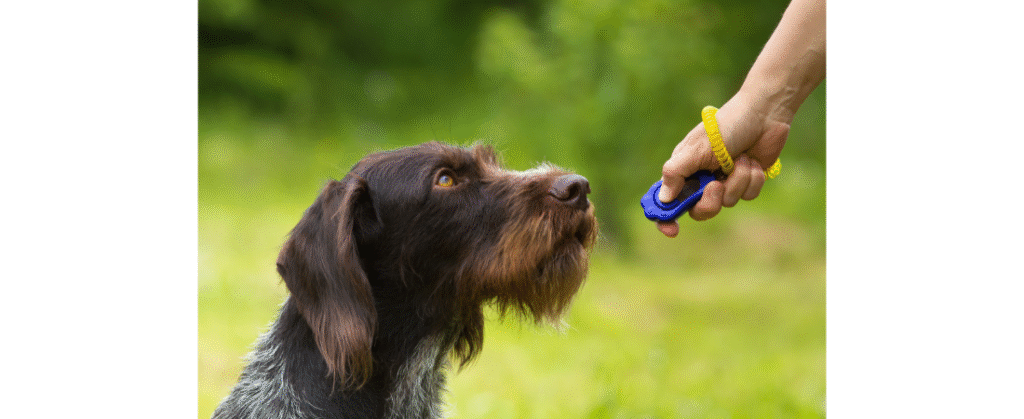
Equally important is mastering timing during training sessions, and that’s where a clicker comes in handy. It acts like a sharp marker in a conversation with your dog, signalling precisely the moment they perform the desired behaviour. This clear communication speeds up learning because dogs quickly associate the click sound with something positive—usually an immediate treat reward—and therefore repeat the action to earn more clicks.
Which brings us to probably the most motivating item in your toolkit: treats. When working on reactive behaviours, choose high-value treats that your dog finds irresistible—something far better than their everyday kibble. These can be small pieces of cooked chicken, cheese, or commercial soft treats that are easy to chew quickly. The goal here is to make every successful moment feel so rewarding that your dog begins to seek out that calm, focused state eagerly.
Safety must always remain a priority during training, especially outdoors or around other people and animals. For some reactive dogs, wearing a muzzle might be a necessary precaution—not as punishment but as a protective measure. A well-fitted muzzle can give you peace of mind to work on behaviours without fear of bites or aggressive incidents, especially while gradually building your dog’s confidence and self-control.
Lastly, don’t overlook the value of a long line, which is essentially an extended leash—sometimes up to 15 feet in length—that allows you to give your dog some freedom while still maintaining control. Long lines are excellent for distance work when teaching recall or distracting behaviours at a manageable range. They provide space for your dog to explore, reducing tension while keeping you safely connected to intervene if needed.
When selecting these tools, prioritise comfort and durability—your dog should wear gear that fits well without causing chafing or restricting movement. Remember too that equipment isn’t static; it should evolve with your dog’s progress. What works at the start of training might change as confidence builds or behaviours improve.
Equipped with these essential tools, preparing for hands-on training becomes the next step in shaping your dog’s behaviour successfully. The following techniques will build upon this foundation and enhance the effectiveness of your efforts.
Effective Training Techniques
Positive reinforcement is more than just a simple reward system; it’s an essential bridge between your reactive dog and the calm behaviour you want to see. When your dog remains relaxed near a trigger—say, another dog or a passerby—offering a treat or enthusiastic praise sends a clear message: calmness leads to good things. This isn’t about bribery, but about changing the dog’s emotional response to triggers by filling those moments with something positive. Over time, this rewires their reaction from stress or aggression to curiosity or ease.
As effective as rewards are, they work best when paired with a carefully planned approach to desensitisation.
Desensitisation relies on slow and steady exposure. It’s like gradually introducing someone afraid of water first to shallow puddles, then to streams, before they can confidently swim. For your dog, start exposing them to the trigger at a distance where they don’t feel overwhelmed. If your dog notices another dog and doesn’t react, that’s your sweet spot to reward and hold the moment.
Gradually close the gap over sessions, but never so fast that your dog loses control. This pace respects your dog’s limits and builds trust in their ability to stay composed amid stimuli.
While positive associations and gradual exposures address what your dog feels, teaching calmness addresses how they respond internally.
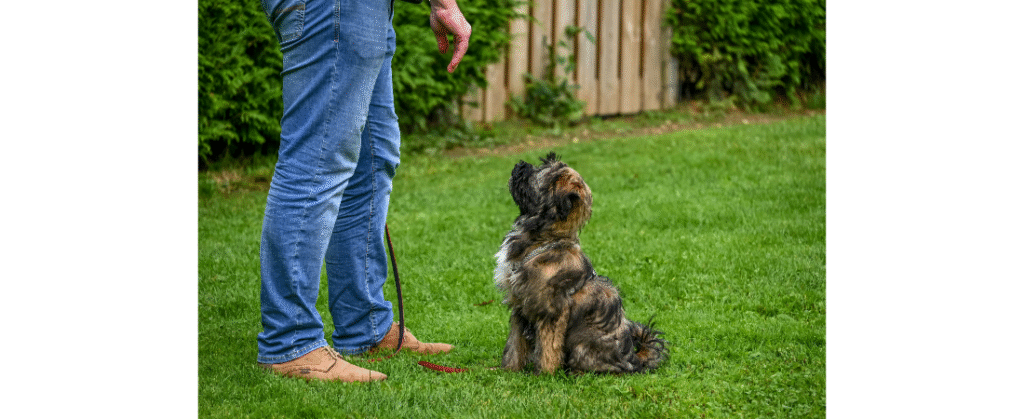
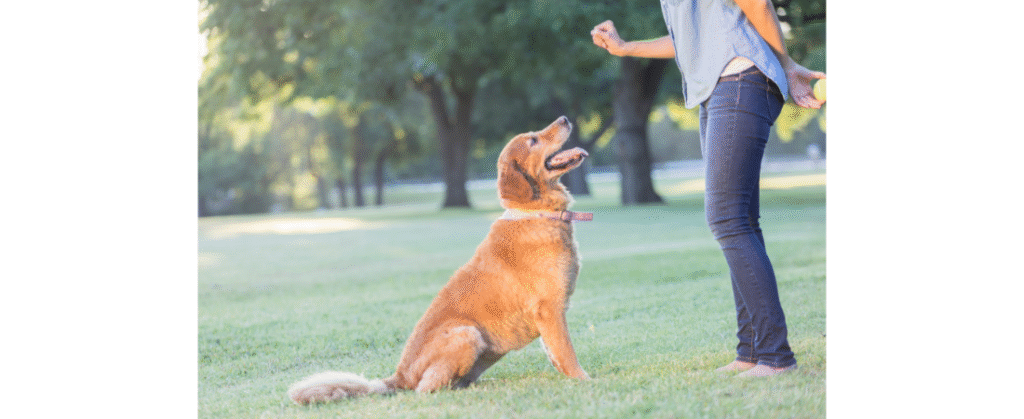
Teaching calmness involves training behaviours that help lower your dog’s stress levels actively. Techniques such as cueing a “look at me” command or “sit” redirect their focus from the trigger back to you. These commands act as anchors, helping dogs centre themselves instead of spiralling into reactivity.
In combination with deep breathing exercises for humans (think: taking calm walks together), you set a tone of relaxation that dogs naturally pick up on.
Throughout this process, consistency is crucial. Reactivity won’t vanish overnight—especially if it’s built on years of nerves or fear—but with patient repetition and clear communication, calmer moments multiply. The key lies not only in what you reward but also in keeping training sessions short, fun, and purposeful so your dog looks forward to each walk or class.
At Wilds About Dogs, we’ve found that blending these techniques while maintaining safety—through secure lead management and controlled environments—makes all the difference. With personalised coaching tailored to each dog’s unique triggers and temperament, reactive dogs learn not just to tolerate but eventually thrive when facing their fears.
“Effective training is less about correcting bad behaviour instantly and more about nurturing new patterns that replace anxiety and overreaction.”
After establishing calmness through these methods, maintaining behavioural progress becomes more manageable and creates a safer environment for both dogs and their owners. Building on this foundation involves exploring ways to cultivate even deeper relaxation skills during everyday situations.
Strategies for Teaching Calmness
Dogs naturally experience moments of anxiety or overstimulation, especially in bustling environments or when encountering new stimuli. Teaching your dog how to self-soothe and remain calm is a foundational skill that transforms potentially stressful encounters into manageable experiences. A core part of this process is introducing a reliable settle command — essentially teaching your dog to find a designated spot and relax upon request.
To start, select a comfortable area such as a mat or bed where your dog feels safe. Use treats and enthusiastic praise every time your dog settles there quietly on command. The consistency of rewarding calm behaviour helps reinforce its value in their mind, turning settle into a positive and sought-after action.
Over time, gradually increase distractions during practise sessions, moving from quiet rooms to busier surroundings. This gradual exposure not only strengthens the behaviour but also builds your dog’s resilience to real-world triggers they might face outside your training space.
While teaching the settle command establishes a clear expectation for calm behaviour, real-life situations often require additional calming tools to help your dog navigate moments of stress or agitation.
Techniques like deep pressure therapy—applying gentle but firm pressure such as with a snug wrap or through your hands—can effectively mimic the sensation of being held securely, which many dogs find soothing. Likewise, slow and gentle petting patterns along the chest or neck can signal reassurance and safety. These calming signals communicate to your dog that it’s okay to relax even amidst excitement or tension.
However, it’s important to recognise that these techniques don’t work instantly or perfectly every time. Dogs have unique sensitivities and thresholds for stress, so what calms one might not work for another. Patience and observation are key here; note how your dog responds and adjust your approach accordingly.
Regularly practising calming signals alongside commands like settle creates a toolbox of strategies you can draw on whenever needed.
Incorporating these methods into daily routines can markedly reduce the frequency and intensity of reactive behaviours over weeks and months. The combined effect of structured commands and soothing physical cues helps dogs regain control over their emotional states rather than being overwhelmed by them.
Every moment spent reinforcing calmness contributes not just to immediate peace but to long-term confidence in your dog’s ability to face the world without escalating reactions.
For those in Doncaster seeking personalised guidance, Wilds About Dogs offers tailored walks and training sessions focused on cultivating calm and happy pets — Oliver brings expertise informed by certified training and genuine care for every dog’s wellbeing.
Mastering calmness is just one facet of effective training; as we continue, it’s important to address other obstacles that can test both the trainer’s patience and the dog’s adaptability in everyday scenarios.
Common Training Challenges
Training a reactive dog often feels like navigating a winding road; it’s rarely a straight path. One of the most frequent hurdles is regression in behaviour, where dogs seem to slip back into old habits just when you think progress is underway. This isn’t unusual—in fact, it’s part of the learning process. Dogs, much like people, don’t learn in a perfect linear fashion. Sometimes they take one step forward and two steps back, testing their environment and your response along the way.
Consistency plays a pivotal role in managing these regressions. Maintaining the same set of positive reinforcement strategies, commands, and calm responses helps reinforce what your dog has learned so the “wrong” behaviours gradually fade. Skipping sessions or changing techniques too often can confuse your companion and prolong unwanted reactions. The real challenge lies in staying patient—real transformation takes time, and regular practise builds the foundation for lasting behaviour change.
Another challenge is the issue of distractions during training. Reactive dogs often react more strongly when overwhelmed by unfamiliar sights, sounds, or smells. This makes training outdoors or in busy locations tricky because their attention is pulled away from you to external triggers. The key here is to start training in controlled environments where distractions are minimal, then slowly introduce stimuli at a pace your dog can handle. Gradual exposure helps build resilience without triggering overwhelming fear or aggression.
Just as distractions complicate progress, so does inconsistent handler behaviour—what you do and how you react directly influences your dog’s responses.
Reactivity often escalates when handlers unintentionally reward anxious or defensive behaviours by giving excessive attention or correcting too harshly. Dogs pick up on subtle cues—tone of voice, body language—and if these cues signal stress rather than calmness, reactivity becomes entrenched. This highlights the importance of remaining calm and controlled yourself. Your mood sets the tone for your dog’s behaviour: a steady, confident handler fosters a more confident pet.
It’s also important to recognise physical and mental fatigue during training sessions. Reactive dogs can tyre quickly both physically and emotionally when constantly exposed to triggers or repetitious exercises. Signs include yawning, avoiding eye contact, or suddenly ignoring commands. Pushing through exhaustion leads to frustration on both sides and reduces learning effectiveness.
Instead, plan short but frequent sessions—think quality over quantity—to keep your dog engaged without overwhelming them.
Finally, an obstacle many face is balancing socialisation with safety. While socialising can reduce reactivity by normalising other animals or people, forcing interactions too soon can backfire if your dog isn’t ready. The goal is not rushed exposure but carefully managed introductions that promote positive experiences without risk of escalation.
“With my Bella and Louie at Wilds About Dogs,” Oliver shares from personal experience, “we always prioritise their comfort zones first. Through patience and gradual steps, even reactive dogs find peace.”
Training a reactive dog requires awareness of these challenges—but it also opens doors to deepening your bond through trust and understanding.
By preparing for setbacks like regression, managing distractions patiently, controlling your own reactions wisely, watching for fatigue signs, and approaching socialisation thoughtfully—you set both you and your dog up for success.
Remember that professional guidance can make navigating these difficulties easier; services like those at Wilds About Dogs offer expert support tailored to each dog’s unique needs right here in Bessacarr and Doncaster areas.
With experience grounded in genuine passion alongside solid qualifications such as Dog First Aid certification and ongoing Dog Psychology study, you’re not alone on this journey to balance and calmness.
Having recognised how complex managing reactive behaviour can be, it’s equally rewarding to acknowledge every small victory along the way. Observing progress not only fuels motivation but strengthens the connexion between you and your companion as you advance together toward calmer days ahead.
Celebrating Training Milestones
Keeping track of your dog’s progress isn’t just about monitoring change — it’s about building momentum and sustaining motivation for both of you. When you make a habit of noting those moments—like when your dog remains calm encountering a common trigger or masters a new command—you create positive feedback loops that encourage consistency. Writing down these victories, no matter how small, helps you see the big picture and reminds you that change takes time but is very real.
This process of tracking can be as simple as jotting down dates and descriptions in a notebook or using an app dedicated to dog training logs. Over weeks and months, these entries show patterns: what worked well, what needs more focus, and where your dog is blooming. More importantly, it personalises the journey—you’re not just following generic advice; you are witnessing your unique companion grow stronger emotionally and mentally.
Beyond just acknowledging milestones internally, celebrating them actively can deepen the bond between you and your dog while reinforcing good behaviour.
Special rewards go far beyond treats tucked into pockets. Planning outings to favourite parks, introducing a new interactive toy, or even sharing extra cuddles after a successful walk can become meaningful ways to mark progress. Dogs respond remarkably well to this blend of positive reinforcement because it ties their achievements to joyful experiences. The key is timing — rewards should immediately follow the success so your dog clearly connects effort with outcome.
For example, after a calm encounter during a walk where your dog resisted reacting to other dogs or noisy distractions, finishing the outing with a fun game at an open field or quiet playtime at home helps cement that learning. It shifts the whole experience from stressful to something your dog looks forward to repeatedly.
“Celebrating every step ensures training isn’t a chore but an engaging journey filled with moments of joy—for owner and dog alike.”
At Wilds About Dogs, we understand how powerful these celebrations can be. Our tailored sessions not only focus on effective training techniques but also guide you on marking and rewarding milestones in ways that suit your dog’s personality and needs. If juggling all this feels overwhelming, booking a session with an expert can offer fresh insights and renewed motivation throughout your training adventure.
Celebrate your dog’s progress and learn new techniques by booking a session with our expert trainers at Wilds About Dogs.
Tracking and celebrating your dog’s training milestones transforms the process into a rewarding shared journey. Embracing each achievement fuels confidence and strengthens the special bond between you and your companion.
What role does a professional trainer play in managing a reactive dog?
A professional trainer plays the crucial role of decoding your reactive dog’s quirks and crafting a tailored behaviour plan, turning chaos into calm. With their expert guidance, studies show up to 80% of reactive dogs experience significant behavioural improvement, proving that expert insight transforms frustration into harmony.
Can all reactive dogs be trained to improve their behaviour?
Absolutely, most reactive dogs can improve their behaviour with the right training—studies show that over 80% of reactive dogs exhibit significant behavioural improvement through consistent positive reinforcement and behaviour modification techniques. The key is patience, understanding triggers, and using tailored strategies to reshape reactions rather than suppress them. Remember, a reactive dog isn’t broken; they just need a different kind of tuning!
How long does it typically take to see progress in reactive dog training?
Progress in reactive dog training typically starts to show within 4 to 6 weeks of consistent, focused effort, though the timeline can vary greatly depending on the dog’s history, the severity of reactivity, and owner commitment. Studies indicate that about 70% of owners notice significant behaviour improvements within two months when applying positive reinforcement and gradual desensitisation techniques correctly. Remember, patience is key—each small victory is a step toward lasting change!
How do you identify if a dog is reactive versus just energetic or anxious?
A reactive dog doesn’t just have a surplus of energy or feel anxious—they respond with intense, often disproportionate reactions to specific triggers like other dogs or strangers, such as barking, lunging, or growling. Unlike general anxiety (which is more diffuse and constant) or high energy (which can be managed with exercise), reactivity is stimulus-specific and consistent. Studies show that about 15% of dogs exhibit reactivity behaviours, making it a distinct challenge requiring focused training rather than just playtime or calming techniques.
What techniques are most effective for training a reactive dog?
The most effective techniques for training a reactive dog include positive reinforcement, desensitisation, and counter-conditioning. Positive reinforcement rewards desirable behaviours, making them more likely to recur, while desensitisation gradually exposes the dog to triggers at a manageable level to reduce reactivity over time. Counter-conditioning changes the dog’s emotional response by pairing triggers with positive experiences like treats or praise. Studies show that about 85% of dogs respond well to these humane methods compared to aversive techniques, which can increase stress and worsen reactivity.