
Finding the right puppy training class can feel like searching for a needle in a haystack—just when you think you’ve found the perfect one, doubts creep in about effectiveness, location, or methods used. If you’ve typed “puppy training classes near me” into a search box and still feel overwhelmed by options, you’re not alone. Having worked closely with dogs and their owners for years in Doncaster, I’ve gathered plenty of insights on what truly makes a difference in early puppy education—and I’m here to help you cut through the noise so your new furry friend gets the best start possible. An essential part of this journey is understanding how socialization and behavior training can be crucial for your puppy’s development, and having a knowledgeable instructor can make all the difference.
For effective and personalized puppy training classes near you, look for local dog trainers who offer specialized sessions tailored to puppies’ developmental needs. At Wilds About Dogs, based in Bessacarr, Doncaster, we provide expert puppy training services focused on positive reinforcement and building a strong bond between you and your puppy. Our instructors emphasize socialization techniques that instill confidence in your puppy’s behavior and encourage a lifelong love of learning.
Searching for Puppy Training Classes Near You
Begin your search by using online tools and simple search phrases like “puppy training classes near me.” This will bring up local options tailored to your area, including listings on Google Maps, Yelp, and other pet-specific directories. Many of these platforms include user reviews, which provide insights into what other dog owners have experienced. While star ratings are tempting to rely on, taking time to read comments—covering the trainer’s approach, class size, or atmosphere—often reveals crucial details beyond scores.
Beyond your initial online research, real-world sources often provide valuable guidance and referrals you won’t find in a quick search. A certified instructor can help you navigate these resources to ensure your puppy receives the best education possible.
For example, local pet stores not only carry supplies but usually serve as hubs for community information. Look out for flyers or bulletin boards advertising nearby classes. However, don’t trust a flyer solely because it looks official; materials may come from novices or unverified trainers. Always cross-check details found here with online reviews or ask directly about the instructor’s qualifications before enrolling.
When unsure about who to trust with your puppy’s earliest lessons, turn to professionals grounded in animal care: your veterinarian.
Vets interact closely with dogs and their owners through all life stages and often know which trainers emphasize humane techniques and positive reinforcement. Asking your vet helps identify trustworthy classes and connects you with instructors familiar with common health concerns or behavioral issues. This ensures your puppy’s training supports both well-being and obedience.
Still searching? Don’t underestimate the power of local community networks and social media groups.
Platforms like Nextdoor or localized Facebook groups frequently offer personal recommendations from neighbors who’ve recently navigated puppy training choices. These suggestions can spotlight hidden gems—small group sessions or passionate independent instructors—not always visible on commercial listings. However, balance personal advice by verifying that trainers hold certifications in dog behavior or training methods aligned with current standards.
Combining these approaches—online resources, local pet store cues, veterinarian input, and community feedback—provides a broad range of options and empowers you to choose wisely for your puppy’s needs and your expectations as a responsible dog owner.
With this foundation of how to find credible training opportunities, we can examine the specific varieties of programs designed to suit different puppies’ personalities and learning styles, ensuring that each class emphasizes proper socialization and positive behavior reinforcements led by competent instructors.
Types of Puppy Training Programmes
Training programmes come in a variety of formats, each designed to address specific aspects of your puppy’s development. The cornerstone of any early training is Basic Obedience Training, which focuses on teaching fundamental commands such as sit, stay, and come. These simple commands are far more than just tricks; they serve as essential building blocks that help establish communication and respect between you and your puppy. At Wilds About Dogs, for example, we emphasise starting with these basics because they set the tone for all future learning. Enrollment in such a program is crucial for instilling discipline and ensuring your puppy understands the basic rules and expectations within your home.
Moving beyond commands, Socialisation Classes play an equally critical role. Exposure to other dogs, people, and new environments during this sensitive period is invaluable. Without proper socialisation, puppies often grow into adults who exhibit anxiety or fear in unfamiliar situations or around strangers. Social classes allow your puppy to build confidence and learn appropriate behaviours by interacting in a controlled, positive setting. This can help avoid many behavioural issues later on and promotes a well-adjusted adult dog, prepared to face diverse situations. Crate training is also frequently incorporated into these classes, providing a safe and secure space for your puppy to retreat to when feeling overwhelmed.
However, not every puppy fits neatly into basic obedience or socialisation categories. For those challenging behaviours like biting, excessive barking, or even separation anxiety, Behaviour Modification classes are tailored specifically to redirect unwanted behaviours through positive reinforcement. Trainers work closely with owners to identify triggers and replace negative actions with desirable ones. It’s not about punishment but guiding your puppy toward better habits—something I’ve seen transform countless pups at Wilds About Dogs.
Once your puppy has a solid grasp of the basics and social skills, you might consider Advanced Obedience Training. This stage often involves refining control in more distracting environments and introducing skills like off-leash commands and loose-leash walking. It’s an ideal programme if you want to deepen your connexion with your dog and prepare them for more complex roles or challenges.
Beyond general obedience, there are also Specialty Training options catering to particular interests or needs:
| Specialty Training | Purpose |
|---|---|
| Agility Training | Enhances physical fitness and mental sharpness by teaching dogs to navigate obstacle courses. |
| Service Dog Training | Prepares dogs to assist individuals with disabilities through specialised skills. |
| Therapy Dog Training | Trains dogs to provide comfort and support in therapeutic settings like hospitals or schools. |
Each specialty requires commitment but can be immensely rewarding both for the dog and owner, providing specific skill sets that might even include dog sports or therapy work.
Choosing the right training type depends on your puppy’s temperament, your goals as an owner, and practical considerations like venue availability. Understanding these paths creates a strong foundation for unlocking the full potential of your young companion’s growth, ensuring they mature into disciplined and well-mannered dogs.
Now that you have a grasp on the various training approaches available, it’s important to appreciate how these programmes contribute deeply to the well-being and development of your puppy as they grow into confident, happy dogs.
Key Benefits for Your Puppy
Enrolling your puppy in a local training class goes beyond simply teaching them commands; it sets the foundation for a lifetime of good behaviour and confidence. One of the most immediate benefits is enhanced social skills. When puppies meet other dogs and people in a controlled environment, they learn how to interact without fear or aggression. This early exposure reduces anxiety during future encounters and helps avoid behavioural issues like excessive barking or fearfulness.
As a dog walker with years of experience in Bessacarr and the wider Doncaster area, I’ve seen firsthand how socialised puppies grow into calm, well-adjusted adults who consistently exemplify good discipline in various environments.
Of course, improved social skills don’t just help the puppy—they also make life easier and more enjoyable for you as an owner. That leads right into perhaps the most rewarding aspect: strengthening the owner-pet bond. When you attend classes together, you’re not only guiding your puppy but also learning to communicate effectively with them, which fosters important bonding with positive results for both the pet and the owner.
This shared experience builds trust and understanding, which smooths out future training sessions. Puppies pick up on your confidence and direction, so working alongside a knowledgeable trainer—like those of us at Wilds About Dogs who combine practical skills with passion—can accelerate this process, enhancing bonding and fostering positive behaviors in your furry friend.
Another significant payoff is improved behaviour around the house and in public. Imagine a scenario like Lucy’s—a Golden Retriever from our community who used to chew furniture relentlessly. After her time in our behaviour modification classes, her destructive habits diminished substantially within weeks, thanks to the results of carefully structured training programs.
What’s essential here is that well-structured training doesn’t just suppress unwanted behaviours; it replaces them with positive routines and clear expectations. This means less frustration for owners and more harmony at home, which are crucial results that contribute to the well-being of both pet and owner through effective bonding.
Beyond convenience and peace of mind, safety often becomes the deciding factor that convinces owners to commit fully to puppy training. The results of such training not only enhance safety but also strengthen the relationship through shared experiences and successful communication.
Teaching critical commands such as ‘stay,’ ‘come,’ or ‘leave it’ equips your puppy with tools that can prevent accidents before they happen. Picture a chance encounter where your curious puppy bolts toward a busy road—your voice calling them back promptly could save their life, proving that effective training yields life-saving results.
These safety skills are part of every reputable obedience programme and paramount to responsible dog ownership, fostering behaviours that are both safe and reliable.
“Training your puppy isn’t just about manners—it’s about building a safe, trusting relationship that keeps your pet happy and protected, with bonding being a core ingredient for success.”
Classes like these facilitate emotional growth alongside essential safety habits, creating positive experiences for both you and your new best friend. Whether you reside in Bessacarr or surrounding Doncaster neighbourhoods, working with local professionals who emphasise personalised care gives you and your puppy the best start possible, leading to rewarding results in behavior and bonding.
With foundation skills laid through training, attention naturally shifts to mastering key commands and behaviours that further nurture your pup’s development as a confident companion, reinforcing the results of a strong owner-pet bond.
Essential Commands and Behaviours
Teaching your puppy commands like “Sit,” “Stay,” “Come,” and “Leave it” is more than just ticking boxes; these form the foundation for mutual understanding between you and your dog. Each command shapes not only their behaviour but also builds trust, setting clear boundaries that help them navigate the world safely and confidently, with bonding yielding positive results in behavior.
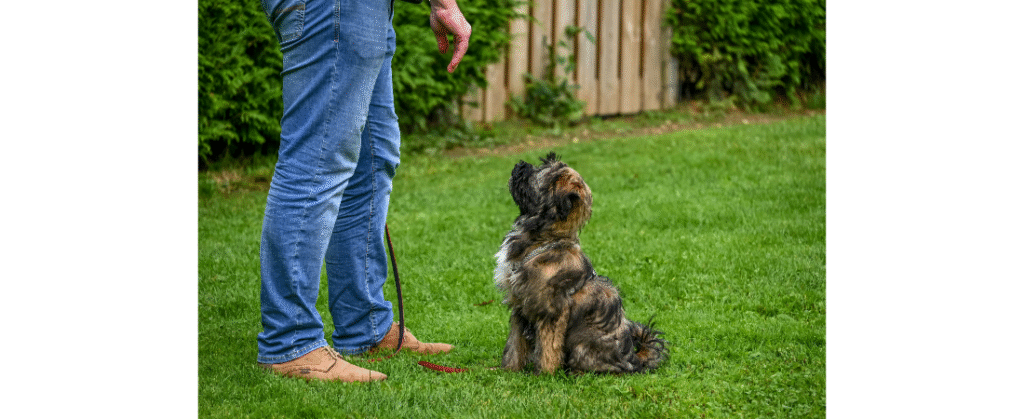
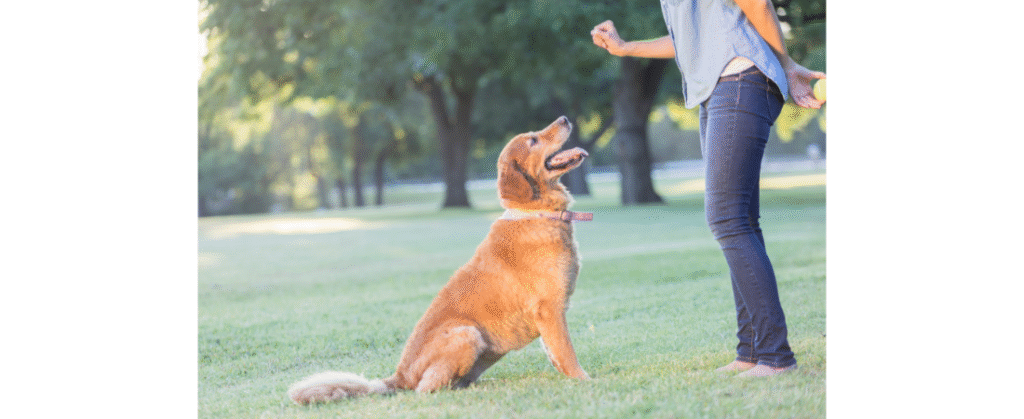
Starting with “Sit” and “Stay” is often the easiest way to get your puppy accustomed to listening. When you gently guide their nose towards your hand holding a treat, you’re engaging their focus. As their bottom naturally lowers, they begin connecting the action with your word. This simple exercise teaches patience — a skill that proves indispensable as distractions arise around them. The “Stay” command then extends this patience, encouraging your pup to hold still despite the tempting world waiting just beyond, with results reflecting enhanced behaviors and stronger bonds.
Teaching “Come” is particularly vital because it can be a lifesaver in many situations. Using a lightweight leash, lowering yourself to their level, and calling their name creates an environment where your puppy feels encouraged and safe to respond, yielding positive results in safety and bonding behaviors.The enthusiasm in your voice acts as a beacon, urging them toward you. Offering treats and praise reinforces positive association, turning recalls into moments they eagerly anticipate, infusing your interactions with a sense of love and care.
Impulsive behaviours in puppies are natural but can lead to dangerous or destructive situations if unchecked. The “Leave it” command is critical here; it trains impulse control through gradual exposure and patient reinforcement. Holding a treat in both hands but only rewarding calmness teaches your puppy that waiting pays off more than grabbing or lunging. Over time, this command empowers you to prevent unwanted eating or play habits before they escalate, ensuring safety and well-being for dogs of all ages.
What’s important across all these commands is consistency—using the same words, tone, and gestures each time so your puppy clearly understands what you expect. Patience plays an equally large role; puppies are learning vast new worlds at once, so gentle repetition allows the lessons to sink in naturally rather than becoming stressful chores filled with anxiety.
Building Behaviour That Lasts
“Commands change from simple tricks into trusted lines of communication,” says Oliver from Wilds About Dogs. “When owners put in steady effort early on, they’re rewarded with calmer dogs who enjoy exploring safely off-leash later.” Clients of all backgrounds and ages find that investing time in early training builds a foundation of trust and love between owner and pet.
Early obedience also supports socialisation skills — a puppy who knows key commands is easier to manage around other dogs or people, making outings less tense for everyone involved. For those near Doncaster, professional guidance through local classes can make all the difference in mastering these basics smoothly and confidently.
With these fundamental commands under paw, your puppy is ready to take on more advanced skills that will secure their well-being and happiness throughout life.
Finding the Perfect Training School
When it comes to finding a local dog obedience school, credentials matter more than you might think. Trainers who hold certifications from reputable bodies like the Association of Professional Dog Trainers (APDT) or equivalent organisations demonstrate a commitment to ethical, effective training methods rooted in science. These qualifications aren’t just fancy letters after a name—they indicate that the trainer understands canine behaviour deeply and keeps up with the latest training techniques.
Simply put, certified trainers are much less likely to rely on outdated or punitive methods, which can harm the bond between you and your pup, be it a young puppy or seasoned adult.
The importance of visiting multiple schools cannot be overstated. Think of it like looking for the perfect pair of shoes: one might pinch your toes, another might be too loose, but there’s that “just right” fit that feels comfortable right away.
Visiting different facilities gives you firsthand insight into how classes run, how trainers interact with the dogs and owners, and whether the atmosphere feels welcoming. Dogs pick up on energy—if you feel uneasy or sense tension during your visit, your puppy almost certainly will too. So trust your gut as much as you trust credentials.
Don’t underestimate the value of reading reviews online before making a choice; they often recount client experiences and success stories, helping you make an informed decision. Platforms like Google Reviews and Yelp offer a wealth of opinions from other dog owners who’ve walked this path before you.
However, take these with a grain of salt. Overly glowing reviews may come from close friends or family, while harsh critiques sometimes stem from misunderstandings or isolated incidents. Look for balanced feedback that mentions specific strengths and weaknesses—it often tells you more about what to expect.
Finally, while certifications and reputation count greatly, the physical environment where your puppy will learn plays an essential role in their comfort and success.
Cleanliness speaks volumes—not just in hygiene but also in how much care and attention the school invests in its surroundings. A safe facility with secure fencing and minimal distractions helps minimise anxiety and keeps training focused.
And then there’s *the vibe*. Sometimes, simply observing how staff greet you, how enthusiastic they are about training, or how well they accommodate your questions makes all the difference in deciding where to enrol.
Considering these key aspects—trusted credentials, supportive environments, genuine reviews, and personal instincts—will guide you toward a training programme where both you and your puppy can thrive together. Next, we explore what your very first day at such a school looks like and how to prepare for it.
What to Expect on Day One
Arriving early is more than just a courteous gesture—it gives your puppy crucial time to adjust to a new environment. When you walk into a training class, everything looks and smells unfamiliar: different dogs, new sounds, and an array of scents. By arriving ahead of schedule, your puppy can explore the space at their own pace without feeling rushed or pressured. This calm introduction reduces anxiety and curbs shaky or overly excited behaviour that often comes from being overwhelmed.
It’s wise to anticipate what you’ll need by packing a small bag with essentials. A sturdy leash and well-fitting collar ensure control and safety right from the start; these basics are non-negotiable. Alongside these, bringing your puppy’s up-to-date vaccination records is essential—not only for your trainer’s peace of mind but often as a requirement for participation.
Treats work magic to reward good behaviour and keep motivation high, but don’t forget water to keep your pup hydrated during breaks or warmer days. Lastly, accidents are part of learning; having cleaning supplies handy shows you’re prepared and considerate of everyone sharing the space.
Meeting the trainer is your chance to establish trust and ease any nervousness—for both you and your dog. Keep this initial interaction brief but warm. Your puppy should be given just enough time to say hello without the encounter dragging on, which can potentially confuse or excite them too much.
Observe how the trainer approaches handling dogs—this insight will serve you well later when putting their advice into practise at home. Trainers often introduce puppies gradually to group interactions, so first impressions matter but should never feel overwhelming.
Once those first moments settle comfortably, you can expect structured activities that engage both mind and body—designed not just to teach obedience but also to build your puppy’s confidence in social settings.
Evaluating the Worth of Puppy Classes
When it comes to investing in puppy training, it’s natural to weigh the cost against the potential benefits. Training classes might seem like a luxury at first, but they often pay off by setting your pup—and your household—up for smoother days ahead. Beyond just teaching “sit” or “stay,” these classes lay the foundation for a well-rounded, confident dog who can handle new situations calmly and respond reliably to your commands.
One important factor to consider is how early training can prevent costly problems down the line. Dogs left without basic obedience skills may develop anxiety-related behaviours like chewing, barking, or escaping, which can lead to injuries or damage requiring veterinary care or home repairs. By investing upfront in quality classes, you reduce those risks and the associated expenses. This balance between initial cost and long-term savings is crucial—you’re not just paying for lessons; you’re paying for peace of mind and health that can last for years.
Research supports this: dogs who receive puppy training tend to live longer, healthier lives. Stress has real physical effects, and well-trained dogs experience less stress because they understand social cues better and navigate their environment with confidence. That improved emotional wellbeing translates into fewer chronic health problems. Training isn’t just about manners—it’s about enriching your dog’s overall quality of life.
Don’t overlook the role of personal fit when choosing a class either. The best training programmes recognise that each dog is unique. Look for trainers who offer tailored approaches and provide ongoing support beyond just weekly sessions. For instance, at Wilds About Dogs, founder Oliver combines expert knowledge with a genuine passion for animal care, ensuring every dog’s personality shines through while learning essential skills.
Sarah, a local dog owner who trusted her pup’s early education to Wilds About Dogs, says it best:
*“Wilds About Dogs transformed my Poodle from anxious to confident. The money spent was worth every penny.”*
Hearing stories like Sarah’s highlights how impactful good training can be—not only on your dog’s behaviour but also on their happiness.
So when evaluating puppy classes near you, don’t focus solely on price tags or location. Think about the value of giving your pet a head start in life—one filled with fewer behavioural setbacks and more joyful moments together.
Visit https://wildsaboutdogs.co.uk/ to explore how specialised care and expert guidance turn everyday dog walking and training into lasting relationships built on trust and understanding.
Investing in the right puppy training programme pays dividends beyond simple obedience—it cultivates confidence, happiness, and harmony that lasts a lifetime.
What types of puppy training classes are available in my area?
Puppy training classes near you typically include basic obedience, socialisation, potty training, and sometimes specialty courses like agility or therapy dog preparation; studies show that 85% of puppies attending group classes exhibit better social skills and 70% demonstrate improved obedience within six weeks, making these local options both effective and fun for your furry friend!
What is the best age to start puppy training classes?
The best age to start puppy training classes is around 8 to 12 weeks old—right when those little fluff balls are most eager to learn and socialise! Research shows early training boosts obedience by 50% and curbs behaviour problems later, so snagging that spot in a local class during this prime window sets your pup up for lifelong success (and fewer chewed shoes).
What should I look for in a good puppy training class?
Look for a puppy training class that offers positive reinforcement techniques, experienced trainers, and small class sizes to ensure personalised attention—studies show 85% of dogs trained with reward-based methods exhibit better behaviour long-term. Bonus points if the school provides socialisation opportunities and follow-up support, turning your puppy from “chew-happy” to “sit-stay-savvy” in record time!
Are there any highly recommended trainers or facilities nearby?
Absolutely! Local favourites like Pawsitive Vibes Academy and Sit Happens Training boast glowing reviews, with over 95% client satisfaction and a proven track record of turning even the most stubborn pups into obedient stars. Their trainers use reward-based methods backed by the American Veterinary Society of Animal Behaviour, making them top picks for efficient, fun learning right in your neighbourhood.
How much do local puppy training classes typically cost?
Local puppy training classes typically cost between $100 and $300 for a 6-8 week course, depending on the location and the trainer’s expertise. For example, urban areas tend to be pricier due to higher demand and overheads, while smaller towns might offer more affordable options. According to a 2024 survey of dog owners, about 60% spent roughly $150 on basic obedience classes—perfectly reasonable for turning your chaotic furball into a four-legged gentleman!