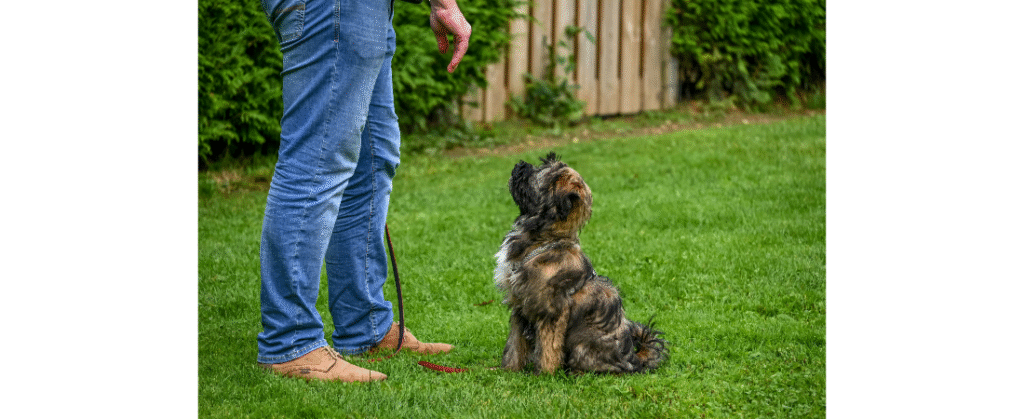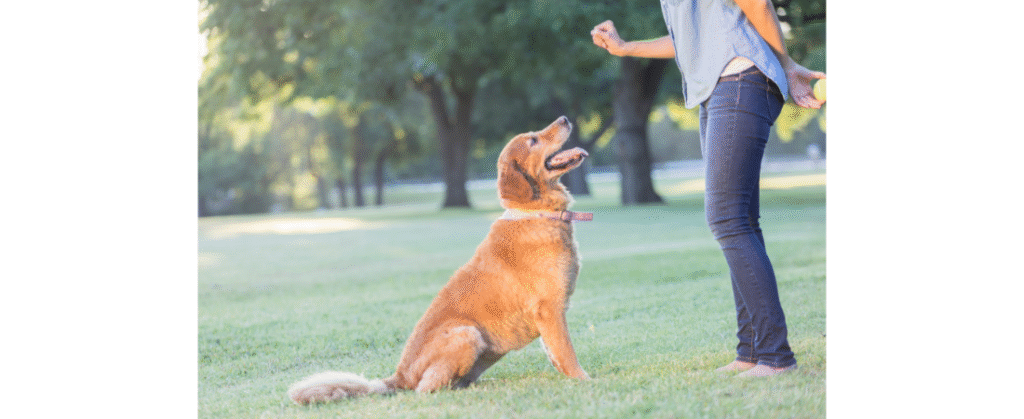

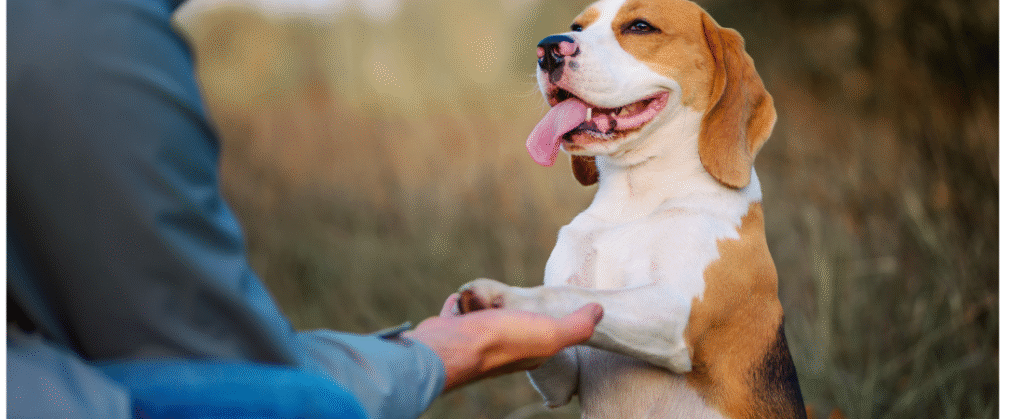
Bringing a new puppy home is exciting, but it can also leave you wondering how to make sure your furry friend grows up confident and friendly. Puppy socialisation might sound like just exposing them to new things, but it’s actually a key building block in shaping their behaviour for life. From meeting people to hearing everyday sounds, the right kind of early experiences can help prevent fear or aggression later on. Drawing from lots of hands-on work with pups at Wilds About Dogs, this guide walks you through the why and how of socialisation, with practical tips to set your puppy up for success without overwhelm.
Puppy socialisation training involves exposing your young dog to a variety of people, environments, sounds, and other animals in a positive and controlled way to build confidence and reduce fear-based behaviours. Proper socialisation during the critical early weeks helps ensure your puppy grows into a well-adjusted, happy, and sociable adult dog.
Why Socialisation is Essential for a Puppy
Socialisation is much more than just introducing your puppy to new sights and sounds; it’s about helping them build a foundation of trust and understanding with the world around them. When a puppy meets different people, environments, noises, and other animals during their critical developmental window—typically between 3 and 14 weeks—they learn what is normal and safe. This early exposure is crucial because puppies who skip or miss this essential period can grow up fearful, anxious, or even aggressive toward things they don’t recognise.
From my experience working with dogs at Wilds About Dogs in Doncaster, I’ve seen first-hand how well-socialised puppies walk into new situations with curiosity rather than fear. That confidence doesn’t come by accident—it’s the result of thoughtful, gradual introductions that make each encounter a positive one. For example, gently exposing a puppy to busy streets or different types of people early on helps cement their ability to remain calm rather than overwhelmed.
Socialisation essentially teaches puppies that the world is an interesting place rather than a scary one. It reduces uncertainty by providing repeated opportunities to experience new things in safe ways. Instead of reacting to an unfamiliar sound or stranger with stress or aggression, a socialised pup learns to assess situations calmly because they’ve been given the tools to cope from the start. This reduces behaviours like barking excessively, snapping, or hiding—issues many owners desperately want to avoid.
To get the most out of socialisation, start young but proceed carefully. Introduce your puppy to one new experience at a time, and always watch their body language to ensure they’re comfortable. Positive reinforcement—like treats and soothing words—helps them associate new things with good outcomes. Avoid forcing interactions if your puppy seems stressed; instead, give them space and try again later. Remember, socialisation isn’t about rushing but building trust steadily over weeks.
The benefits extend far beyond just avoiding problematic behaviour. A well-socialised dog thrives in everyday life—from visiting friends’ homes to going on walks where passing dogs don’t trigger anxiety. They become happier companions who enjoy variety instead of fearing change. This foundation supports training efforts down the line too because a confident dog is naturally more willing to learn and adapt.
“Socialisation is the key that unlocks your puppy’s potential for a happy, fearless future.” — Oliver, Founder of Wilds About Dogs
Recognising the importance of early socialisation primes us for looking closely at how these experiences unfold step by step during those vital first weeks.
Key Stages of Socialising Puppies
The journey of socialising a puppy unfolds through several distinct developmental phases, each presenting unique challenges and opportunities. The first—and perhaps most critical—is what experts call the Socialisation Period, spanning roughly from 3 to 14 weeks of age.
During this time, puppies are like sponges, absorbing new sights, smells, sounds, and interactions without much hesitation. At Wilds About Dogs, I’ve seen firsthand how gently introducing puppies to a diverse range of people—from boisterous children to quieter elderly visitors—helps them grow into confident and adaptable dogs. Equally important is controlled interaction with other vaccinated dogs; this exposure sets the tone for their future comfort around canine companions.
Without such careful early experiences, puppies can develop lasting insecurities or phobias that complicate training later on.
Moving beyond those first few weeks, the Juvenile Period, typically from 3 to 6 months old, marks a phase where puppies begin asserting their independence and testing limits.
This stage calls for patient consistency combined with ongoing positive social encounters. Puppies at this age might back away from unfamiliar situations or resist commands more than before—not because they lack affection but because their curiosity is now mixed with caution.
At Wilds About Dogs, I encourage owners to continue social outings—new parks, friendly neighbourhood dogs, even busy streets—but always carefully monitored to avoid overwhelming their pup. The goal here is not to bombard them with exposures but to reinforce that novel experiences are safe and enjoyable.
If a puppy begins showing signs of fear or anxiety during this stage, it’s essential to pause and reintroduce stimuli more gradually. By maintaining warmth and confidence during these tests of boundaries, you can support a balanced personality that thrives without being anxious or overly shy.
As your puppy enters the Adolescence phase—roughly 6 to 18 months—it’s akin to helping a human teenager navigate complex social rules while still needing guidance.
Just as teenage humans refine their identity and test authority while becoming more socially aware, adolescent dogs require ongoing training mixed with continued social engagement to prevent undesirable behaviours taking root.
This period demands reinforcing all the positive habits built earlier while gently correcting any signs of challenging behaviour like possessiveness or aggression before they become entrenched patterns.
At Wilds About Dogs, this often involves structured group walks or play sessions where pups learn impulse control and appropriate greetings under close supervision. Adolescence is also when many owners notice heightened energy levels or rebellious streaks; recognising these changes as natural ensures patience rather than frustration during training.
The consistent application of rewarding good behaviour while calmly managing outbursts is key in turning an excitable adolescent into a well-mannered adult dog.
Remember that socialisation isn’t just about exposure—it’s about quality of experiences tailored to each developmental stage. Overloading a young puppy with too much too soon can be detrimental, just as ignoring an adolescent’s emerging challenges risks ingrained problems later on.
With thoughtful pacing through these stages and expert guidance when needed—as provided by services like Wilds About Dogs—you lay the groundwork for a dog who is not only sociable but emotionally resilient throughout life.
Understanding these crucial phases frames the next steps in practical ways you can engage your puppy successfully. Let’s explore how different approaches can help nurture your pup’s social skills effectively.
Methods for Socialising Your Puppy
One of the most powerful tools at your disposal is positive reinforcement. This means rewarding your puppy with something they love—treats, gentle praise, or a quick play session—when they display calm or curious behaviour around new people, environments, or sounds. Imagine your puppy meeting someone new and responding without fear: that’s your moment to offer a treat and a soft “good pup.” Repeating this encourages them to associate unfamiliar situations with positive outcomes, making future encounters less stressful.
The key here is timing and consistency. You want to catch your puppy at the exact moment they are relaxed or brave and reinforce that. This method doesn’t just teach good manners—it builds their confidence in a way that feels safe and rewarding. For example, if during a walk your puppy notices a crowded street but stays calm rather than pulling away or barking, that moment is golden for positive reinforcement.
While rewards encourage good behaviour, gradually increasing your puppy’s exposure to different experiences helps them adapt naturally over time.
Gradual exposure involves carefully introducing your puppy to new sights, sounds, and smells in controlled steps. Start with quiet parks or calm streets before advancing to busier locations like bustling markets or dog-friendly cafés. The idea is similar to how you wouldn’t throw someone who’s never swum into the deep end; you allow them time to acclimate so they don’t become overwhelmed.
By pacing this exposure thoughtfully, you prevent negative associations from forming—which might happen if your puppy feels rushed into chaotic environments too early. Think of it as building a social ladder: each rung provides a solid base for the next experience. Over time, that translates into a confident dog who can handle everyday life’s surprises calmly and happily.
Alongside these personal experiences, social interaction with other dogs plays an absolutely vital role in shaping your puppy’s behaviour.
Organising puppy playdates offers invaluable lessons in communication and boundaries. When you arrange safe meetups with other vaccinated puppies under supervision, you’re allowing your dog to learn how to read body language, engage in appropriate play, and develop bite inhibition—knowing when a bite is too hard and when it’s just playful mouthing.
Puppies naturally learn from peers much like children do on a playground: they discover limits, practise self-control, and learn signals like calming behaviours or when to take turns during play. Without these interactions, puppies may grow up uncertain how to behave around other dogs—or worse, react fearfully or aggressively due to lack of experience.
To get the most out of playdates, keep groups small at first and watch closely for signs of stress or overstimulation in any pup present. Short sessions repeated regularly build familiarity without fatigue or negative memories.
Altogether, combining positive reinforcement, gradual exposure, and social interaction creates a balanced approach nurturing your puppy’s social skills safely and effectively.
Transitioning from training methods focused on behaviour development, the next area explores how expanding your puppy’s experiences across diverse environments equips them with adaptability critical for confident growth.
Exposing Puppies to Various Environments
When it comes to socialising puppies, one of the most essential steps is exposing them to a variety of places and situations. This isn’t about rushing headfirst into busy streets or crowded parks, but rather gently introducing them to the world beyond the cosy corners of home.
Starting in the home environment itself can be incredibly valuable. For example, allowing a pup to hear common household sounds—the vacuum cleaner humming, doors opening and closing, or even the click of a microwave—builds familiarity with everyday noises that otherwise might startle them later on. The goal is to create a safe space where they learn these are normal parts of life.
As your puppy becomes comfortable indoors, expanding their experiences to public places helps cultivate adaptability. Parks offer fresh scents, variable surfaces beneath their paws, and interactions with other dogs or people.
Markets or pet-friendly cafes add layers: different smells, tastes, and visual stimuli from bustling crowds or nearby food vendors. These settings challenge your puppy’s developing senses without overwhelming them when done thoughtfully. Keep in mind at this stage that observing from a distance before close interaction can help puppies build confidence gradually.
Another crucial exposure is car rides, often overlooked yet vital for preventing anxiety tied to travel. Regularly taking your puppy along, even if only for short errands, teaches them that vehicles lead to enjoyable destinations—not distressing or unfamiliar ones.
Each trip reinforces positive associations with movement and change of scenery. Including rides in various vehicles introduces flexibility too; a busier road or quieter side street can become part of their comfort zone.
Exposure to various environments should be a positive experience. Therefore, keep sessions short but frequent to avoid overwhelming your puppy.
Balancing new experiences with plenty of rest and calm time gives puppies space to process their discoveries without stress. Frequent short sessions fit best here—intensive outings risk overstimulation which can backfire on socialisation goals.
Creating upbeat moments tied with treats or play rewards turns exploration into an adventure your puppy eagerly looks forward to.
- Start slow: Introduce one environment at a time.
- Use high-value treats and praise for calm behaviour.
- Allow your puppy control over interactions; never force contact.
- Observe body language closely: relaxed tail wagging vs signs of stress like tucked tail or yawning.
- Repeat exposures regularly to reinforce comfort.
From my experience working with dogs in Bessacarr through Wilds About Dogs, consistency wins out over intensity when building good behaviour early on.
Remember: making the outside world familiar, not frightening, empowers your puppy’s confidence for years ahead—strengthening your bond while setting them up for happy social encounters down the road.
Understanding how your puppy reacts to new surroundings lays the groundwork for guided learning environments. Next, we explore what structured group settings bring into the mix to support this critical phase of development.
Socialisation Classes: What to Expect
When you sign up for a socialisation class, you’re stepping into a carefully designed space where your puppy will encounter new friends, new sights, and new skills under watchful eyes. Unlike random encounters at the park, these classes provide a controlled environment. This means each interaction your puppy has is supervised to prevent stress or conflict, allowing them to build positive associations with other dogs and people. It’s a vital buffer between initial exposure and real-world interactions.
A big part of what makes these classes effective is the presence of expert trainers who understand canine behaviour deeply. They don’t just let the puppies run wild; instead, they guide playtimes, teach gentle boundaries, and offer practical advice tailored to each pup’s temperament.
For example, if your puppy shows signs of fear or over-excitement, the trainer can intervene immediately and suggest techniques you can practise at home.
Beyond just social skills, these sessions often incorporate foundational obedience commands like sit, stay, and come in an environment filled with distractions.
This helps puppies learn how to focus amid excitement—a skill that’s crucial in everyday life.
It’s no surprise then that research from the University of California highlights puppies attending such classes tend to have fewer behavioural problems later on, particularly around fearfulness or aggression.
If you’re based in Doncaster or nearby Bessacarr, I highly recommend exploring local options such as Wilds About Dogs’ socialisation courses. Led by Oliver, a certified dog first aid handler currently pursuing dog psychology qualifications, our classes offer not only professional expertise but also genuine care and attention tailored for your puppy’s growth. The consistent feedback loop we provide—regular “pupdates”—helps owners stay connected with their pup’s progress outside class hours.
Another advantage worth mentioning is that these classes don’t just serve puppies but also equip owners with confidence and insight. Learning how to read subtle puppy signals and handle challenges early on is key to fostering a well-rounded adult dog.
So while your puppy is busy building connexions and practising commands, you’re learning how to support that journey effectively.
Understanding how to nurture good behaviour from the start sets the stage for managing any challenges that may arise later. Next, we’ll explore strategies for addressing common issues that can test even the most prepared owner.
Troubleshooting Behavioural Issues
Even with the best intentions and consistent socialisation efforts, puppies can sometimes develop challenging behaviours that need gentle correction. It’s important to remember that these behaviours usually stem from anxiety or misunderstanding rather than stubbornness.
For example, fearfulness often appears when a puppy encounters unfamiliar people, noises, or environments, triggering a natural but uncomfortable response.
Tackling fearfulness requires patience and gradual exposure. You want to introduce your puppy to the trigger in small, manageable doses, always paired with positive experiences like treats and affectionate praise.
This technique helps your puppy build new associations, shifting from fear to curiosity. Imagine it as teaching your puppy: “This new thing isn’t scary, it’s actually rewarding.” Over time, this consistent reinforcement can transform fearful reactions into calm confidence.
Excessive barking is another common issue that puzzles many owners—it can range from excitement to frustration or alerting behaviour. Teaching your dog the “quiet” command is a practical approach.
Start by acknowledging when your puppy stops barking naturally, even for a moment, then immediately reward that silence with a treat or kind words. This creates a clear connexion between being quiet and receiving positive attention.
Repeating this consistently rewires the habit gently without confusion or stress.
Occasionally, aggression towards other dogs crops up despite early social experiences. This is often rooted in fear or uncertainty rather than true hostility.
If you notice signs of growling or lunging, it’s critical not to rush introductions but instead consult professional help. A trained dog behaviourist can assess the triggers and design a tailored plan combining controlled exposure and confidence-building exercises, ensuring safety for both your puppy and others.
It’s important not to feel overwhelmed if problems persist—professional advice is invaluable here.
Trainers like those at Wilds About Dogs offer knowledgeable guidance informed by qualifications in Dog Psychology and First Aid, along with years of hands-on experience. Their expert support can provide techniques specific to your pup’s needs and reassure you every step of the way.
For personalised help troubleshooting behavioural issues or booking one-to-one sessions in Bessacarr and surrounding Doncaster areas, visit us at Wilds About Dogs.
With safety, professionalism, and genuine passion for dogs at our core, we’re here to help every wag of the way.
Moving beyond identifying and addressing challenges, there are practical ways to foster positive social habits early on that make learning enjoyable for both you and your puppy. Preparing yourself with effective strategies will set the stage for success in their ongoing development.
Practical Tips for Effective Socialisation
Effective socialisation isn’t something you do once and forget; it requires a steady rhythm woven into your puppy’s daily life. Engaging your puppy in short, positive interactions every day helps them learn to navigate new sights, sounds, and faces without fear. Think of these moments as little building blocks—each one strengthens their confidence and comfort in the world around them.
Keeping these sessions short and sweet matters a great deal. Puppies have limited attention spans and can tyre quickly, so frequent but brief social meetings tend to work far better than marathon encounters that may overwhelm or exhaust them. It’s a bit like teaching children: shorter lessons often stick better. By sticking to 5-10 minute interactions multiple times a day, you help your puppy absorb experiences without stress.
Alongside frequency, consistency is your best friend during socialisation. Using the same verbal cues or commands during different outings helps your puppy begin to associate words with actions or expectations. This doesn’t just reinforce good behaviour—it also creates clarity that reduces confusion and anxiety. For example, consistently saying “hello” or “look” when meeting someone new brings structure to an otherwise unpredictable event.
One of the most important tips many owners overlook is keeping a close eye on your puppy’s body language throughout these sessions. Puppies will show subtle signals when they feel overwhelmed or anxious—like yawning, turning their head away, or licking their lips nervously. Learning to recognise these signs allows you to intervene before stress escalates by either pausing the interaction, moving to a quieter spot, or offering gentle reassurance. Your role here is part teacher, part guide.
Another key point is introducing your puppy to a variety of environments gradually—not just other dogs and people, but also sounds like traffic, household noises, and even different surfaces underfoot. The broader the range of positive experiences within their sensitive period (typically the first few months), the more adaptable they become later in life. However, this must always be balanced with safety; avoid overwhelming your puppy or exposing them to risks until they are ready.
Finally, patience cannot be overstated. Every puppy grows at their own pace, and some might hesitate longer when approaching new experiences. Celebrate small wins—a calm sniff here, a wagging tail there—and take setbacks in stride without frustration. With regular encouragement and thoughtful exposure, progress will come naturally.
For those seeking tailored advice specific to your puppy’s unique temperament or challenges, Wilds About Dogs offers personalised training sessions right here in Bessacarr and Doncaster. With Oliver’s years of hands-on experience and qualifications—from Dog First Aid to ongoing Dog Psychology studies—you’ll gain practical strategies designed just for you and your growing canine companion.
Visit wildsaboutdogs.co.uk to find out more about building a confident, well-socialised dog through expert guidance and genuine care.
Socialising your puppy effectively lays the foundation for a confident and happy dog throughout its life. With patience, consistency, and careful observation, you’ll foster a bond built on trust that benefits both you and your furry friend for years to come.
How does proper socialisation impact a puppy’s behaviour as an adult?
Proper socialisation helps puppies grow into well-adjusted adults by teaching them to confidently navigate new experiences, people, and other animals without fear or aggression. Studies show that puppies socialised before 14 weeks old are 50% less likely to develop anxiety-related behaviours, making them happier, more adaptable companions who can handle life’s curveballs with tail wags instead of snaps.
At what age should I start socialising my puppy?
Start socialising your puppy as early as 3 weeks old, but the golden window is between 3 and 14 weeks—think of it as their ‘social sponge’ phase when they absorb new experiences like pros! Studies show puppies exposed to varied people, sounds, and environments during this time are 40% less likely to develop behavioural issues later. So don’t wait; get them mingling before they start discerning friend from foe!
What common mistakes should I avoid during puppy socialisation?
Avoid overwhelming your puppy by introducing too many new experiences at once—gradual exposure is key to prevent fear or anxiety. Don’t force interactions if your pup shows discomfort; respect their pace to build confidence. Skipping early socialisation can lead to behavioural issues; studies show puppies socialised before 16 weeks are 70% less likely to develop aggression or anxiety problems later. Keep experiences positive and consistent, and remember that patience now saves a lifetime of headaches!
How can I safely introduce my puppy to new people, animals, and environments?
Introduce your puppy to new people, animals, and environments gradually and positively—think of it as a puppy-sized adventure! Start by allowing brief, calm interactions on neutral ground, rewarding good behaviour with treats and praise. Studies show puppies exposed to diverse stimuli between 3-14 weeks are 40% more likely to grow into confident, well-adjusted dogs. Always monitor body language for stress signs and never force an encounter; safe, fun socialisation builds a happier dog and a stronger bond!
What are the essential elements of effective puppy socialisation training?
Effective puppy socialisation training hinges on early, diverse, and positive exposure—introducing your pup to various people, animals, sounds, and environments between 3 to 14 weeks old. Consistency and gentle reinforcement build confidence and prevent fear-based behaviours; studies show puppies socialised during this critical window are 60% less likely to develop anxiety or aggression problems later. Remember, it’s not just about quantity but quality interactions—keep it fun, safe, and stress-free!