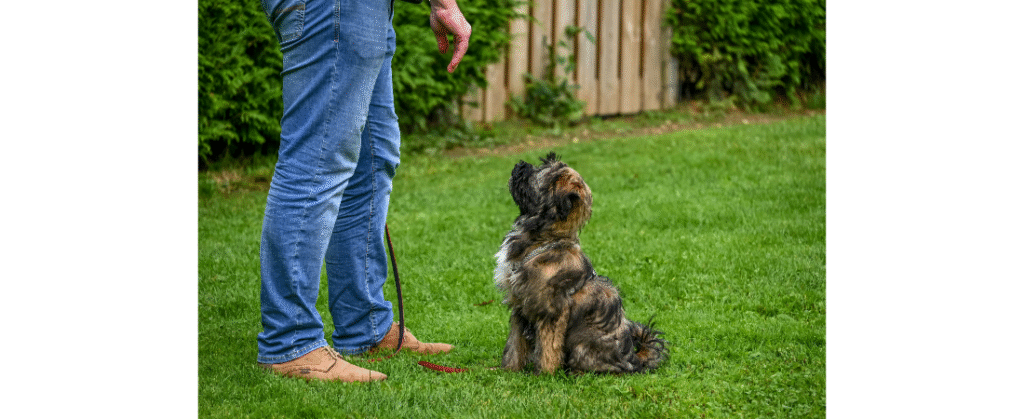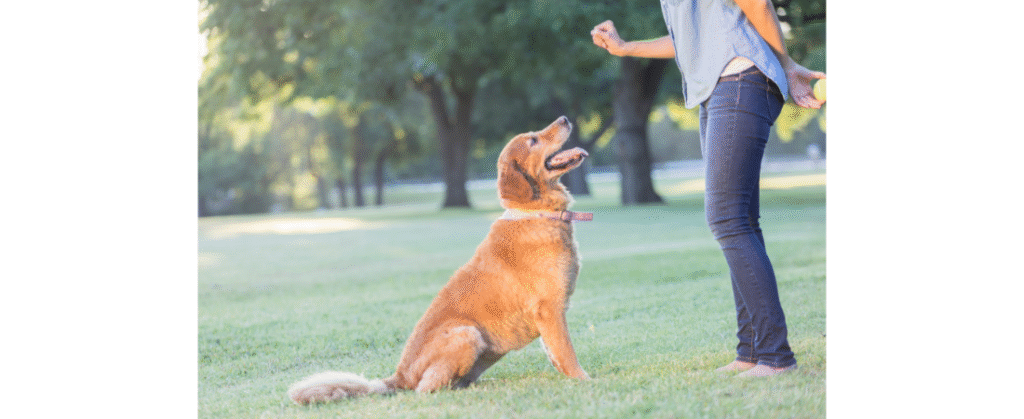

Training your dog to listen might seem like a daunting task—especially if you’ve ever felt ignored in mid-command or tangled in a leash struggle during walks. But obedience training isn’t about turning your dog into a robot; it’s about creating clear, kind communication that helps both of you understand each other better. From teaching simple cues like “sit” and “stay” to building trust that makes everyday life smoother, investing time in these skills pays off with fewer headaches and more happy tails. Let’s break down how beginners can start this journey the right way, with commands and techniques that actually work.
Obedience dog training involves teaching your dog fundamental commands such as sit, stay, come, and heel to ensure they behave appropriately in various situations. This training enhances communication between you and your dog, promotes good manners, reduces behavioural problems, and strengthens the bond you share.
The Importance of Obedience Training
Obedience training goes far beyond simple commands like “sit” or “stay.” It’s the foundation upon which a healthy relationship between you and your dog is built. When a dog understands clear cues and boundaries, it feels more secure and confident in its environment. This, in turn, reduces anxiety and problematic behaviours such as jumping on guests or pulling on the leash during walks.
One of the most compelling reasons to invest time in obedience training is safety. A well-trained dog responds reliably in potentially dangerous situations, whether that means coming back when called near traffic or refraining from aggressive interactions with other dogs. This predictability protects your dog, yourself, and those around you—something I stress daily while working at Wilds About Dogs.
Moreover, training sharpens communication between owner and pet. Dogs don’t interpret human language like we do; they rely on tone, body language, and consistent signals for guidance. Obedience training provides these signals in a way that the dog can understand and anticipate. This clarity prevents misunderstandings that often lead to frustration or misbehaviour.
Think of obedience training as laying down smooth roads for your relationship with your dog. Without it, you’re hiking over rocky terrain—bumpy, unpredictable, and exhausting for both sides. With good training, journeys together become smooth, enjoyable rides filled with mutual trust.
For those starting out, patience is crucial. Every dog progresses at its own pace depending on age, temperament, and past experiences. Break lessons into small steps and celebrate even the smallest successes. Consistency is key; short but regular sessions embedded in everyday routines work best and foster retention.
In addition to behavioural benefits, consistent obedience training deeply enriches your dog’s mental stimulation. Dogs are intelligent creatures who crave challenges that engage their minds. Teaching them new commands stimulates their brain and keeps boredom—and the destructive behaviours it can breed—at bay.
From a practical perspective, trained dogs are easier to care for during activities like vet visits or grooming sessions because they understand expectations and commands ahead of time. This makes life less stressful not only for owners but also for the dogs themselves.
“Training isn’t about control; it’s about connexion.”
— Oliver, Founder of Wilds About Dogs
Proper obedience training transforms daily interactions into moments of shared joy rather than conflict or confusion. Whether it’s ensuring your dog waits calmly by the door like Lucy or responding promptly when called off-leash in Bessacarr’s busy parks, obedience unlocks a safer and happier life together.
With this solid foundation laid out, understanding specific commands becomes the next step to creating effective communication with your dog. Let’s explore the core commands that set every dog up for success.
Basic Commands for Dogs
Successful dog training hinges on a few core commands that create clear communication between you and your dog. These basic cues—stay, come, down, and heel—aren’t just tricks; they are vital tools that keep your dog safe, well-behaved, and happy. Teaching these commands lays the groundwork for a trusting relationship where your dog understands what’s expected while feeling secure.
Take the command stay, for example. At first glance, it might seem simple, but teaching your dog to remain patiently in one spot demands both discipline and focus. You help your dog build this by asking them to sit first, then using a calm but firm “stay” cue while introducing brief moments of distance or distractions.
It’s critical during this stage to reinforce with treats and praise, so your dog makes a positive association with holding still. Over time, that moment of stillness grows longer and transfers to new environments.
Equally important is come, which can truly be lifesaving. Imagine calling your dog back as they dart after something dangerous—they need to respond instantly.
The trick here lies in making yourself the most exciting thing in the world during training: use a cheerful voice, reward lavishly, and never punish when they come to you, even if it took a few tries. From experience, consistency and patience are key because many dogs naturally want to explore freely.
The command down often follows once your dog knows sit. It encourages relaxation and control since lying down requires a calm mindset different from sitting alertly.
You guide this behaviour by luring your dog down gently with a treat close to their nose that moves toward the floor while saying “down.” Reward as soon as they obey and repeat with kindness and clarity.
Finally, heel teaches your dog to walk closely beside you without pulling on the leash—a behaviour prized by every dog owner.
Establishing heel takes time because it runs counter to how many dogs instinctively want to roam ahead sniffing every scent. But by rewarding short bursts of walking near your side and pausing whenever they pull forward, you develop focus and cooperation gradually.
This command not only improves walks but also strengthens leadership in subtle ways.
Teaching these commands isn’t just about obedience—it’s about building trust. Your dog learns that following your guidance means safety, rewards, and shared joy outside everyday distractions.
For best results, introduce one command at a time with short, frequent training sessions that fit naturally into daily life. Using treats thoughtfully encourages motivation but pairing commands consistently with praise and affection makes learning enjoyable. Remember to be patient; every dog learns at their own pace.
Here are tips I’ve found invaluable when working with dogs on these basics:
- Always use clear, consistent vocal cues paired with hand signals.
- Keep training sessions upbeat and end on a positive note.
- Avoid repeating commands endlessly—give time for understanding.
- Practise commands in different locations to help generalise the behaviour.
- Celebrate small victories with genuine enthusiasm.
Building on these essential skills leads naturally into approaches that enhance motivation and deepen your dog’s willingness to learn, transforming training into a joyful partnership full of encouragement rather than pressure.
Positive Reinforcement Techniques
Positive reinforcement is at the heart of effective dog training because it builds trust and motivation — it’s about celebrating what your dog does right instead of focusing on what they don’t. This approach works because it taps into your dog’s natural desire to seek rewards, creating a learning environment where they want to engage and succeed.
Rather than fear or confusion, your dog feels joy and eagerness to learn. Over time, this strengthens the bond between you both, making future commands easier to teach.
At its core, positive reinforcement means giving something your dog values right after they perform a wanted behaviour. It’s crucial that the reward happens immediately—dogs live very much in the moment, so a delayed reward signals less clearly which action earned it.
Whether it’s a tiny morsel of tasty treat, an enthusiastic “Good dog!”, or a quick game with their favourite toy, these rewards must match your dog’s preferences and energy level. For instance, some dogs are food-motivated and respond best to tasty treats, while others may find more joy in play or affectionate petting.
From my experience working with dogs through Wilds About Dogs here in Bessacarr and Doncaster, tailoring rewards truly makes the difference. Bella loves a crunchy biscuit mid-session; Louie prefers verbal praise coupled with lots of tail-wagging attention; and Poppy lights up most when introduced to her squeaky ball as a reward.
The key is observation: noticing what drives your individual dog and using those motivators consistently.
Another layer to consider is how you deliver praise—your tone of voice matters just as much as the words you choose. Excited and upbeat tones help reinforce that your dog has succeeded wonderfully. On the other hand, flat or indifferent praise doesn’t carry the same impact. Pairing vocal encouragement with body language like smiles or gentle pats enriches the experience, communicating clear approval.
Some important guidelines when applying positive reinforcement:
- Keep treats small: Frequent small rewards prevent overfeeding and keep focus sharp.
- Reward every success initially: To solidify new behaviours, give immediate feedback to every correct response before gradually tapering off.
- Be consistent: Use the same markers (words or gestures) so your dog knows exactly what behaviour earned praise or treats.
- Avoid overreliance on food: Build variety into rewarding methods to maintain enthusiasm without dependency on treats alone.
It’s also essential to pair positive reinforcement with patience and realistic expectations. Remember that learning takes time; even simple commands require repetition before becoming second nature.
If a session isn’t productive one day, shifting approach or taking a break can prevent frustration on both ends.
“Training isn’t just about commands; it’s about communication.” This idea lies at the core of my approach at Wilds About Dogs, blending expertise with genuine care.
Having grasped these principles of positive reinforcement, understanding how timing and method enhance results becomes key to advancing your training success.
Utilising Rewards and Prais
Rewards and praise are the heartbeat of positive reinforcement—they speak directly to your dog’s motivation in a way words alone cannot. Giving a treat, a warm “good boy,” or a quick play session sends an unmistakable message: this behaviour is exactly what I want.
But it’s not just what you give, it’s how and when. Imagine tossing a treat minutes after the behaviour; your dog won’t connect the dots. The reward must arrive like clockwork, right as the good behaviour happens, so their brain starts wiring that action to pleasure instantly.
| Reward Type | Best Use Case | Why It Works |
|---|---|---|
| Treats | Quick commands such as “sit” or “come” | Food is a powerful motivator; small, frequent treats keep interest high. |
| Praise | During all commands, reinforcing eagerness | Your voice becomes a constant positive cue, deepening your bond. |
| Toys | Energetic behaviours like “fetch” | Play turns training into an exciting game rather than a chore. |
| Physical Affection | Calm moments, e.g., “stay” or settling down | Touch reassures and comforts, enhancing trust and relaxation. |
When choosing the right reward, remember that dogs are individuals. Some will light up for treats, while others might prefer chasing a favourite ball with you. Oliver at Wilds About Dogs emphasises tailoring rewards based on your dog’s personality—what works wonders for Bella might not ignite Louie’s enthusiasm. This personalization sharpens focus and speeds learning.
Beyond timing and type, consistency shapes success. Use the same cues, the same tone, and the same rewards every time. A patchwork approach confuses dogs and dulls progress. Reward once for “sit,” but skip it next time, and you create uncertainty. Trust me from years walking and training dogs around Bessacarr—we see how consistent reinforcement builds clear communication channels between human and hound.
Embrace verbal praise as more than mere filler; it’s an ever-ready bridge connecting command and affection. Words like “Yes!” or “Good girl!” carry weight when paired repeatedly with rewards. Dogs begin to respond to these sounds alone—as if they were telling your dog, Keep doing this—it makes me happy! This element fosters not only obedience but also joy in training sessions.
To keep training engaging over time, mix up rewards appropriately but always maintain immediate delivery after good behaviour. For example, blend treats with play or affection intermittently. This variety prevents predictability from making training stale while still keeping motivation strong.
A well-timed treat followed by a cheerful “Well done!” can transform complex training into an enjoyable partnership.
Understanding how to use rewards effectively opens the door to unlocking your dog’s potential. Next, we explore why maintaining steady rhythms in training efforts cements those lessons into lasting habits.
Consistency in Training
Consistency acts as the backbone of effective dog training. Without it, dogs can become confused about what’s expected of them, leading to mixed signals and frustrating delays in learning. From my experience at Wilds About Dogs, I’ve seen how sticking to a routine helps dogs feel secure and confident because they know what comes next. Commands gain meaning when they are paired with consistent cues and outcomes. For instance, if you say “sit” sometimes and “sit down” other times, your dog has to guess which one counts — and that confusion slows progress.
The science backs this up as well. Research indicates that dogs often require between 15 and 50 repetitions to genuinely understand a new command. That range depends on factors like breed, age, and prior experience. But the clear takeaway is repetition under consistent conditions accelerates learning. When every command is delivered with the same tone, word, and reward system—whether a treat, praise, or playtime—it lays down solid behavioural pathways in your dog’s brain.
To maintain consistency, it’s essential to develop a clear training schedule you can realistically keep up with. Short sessions multiple times a day help reinforce behaviours without overwhelming your dog or yourself. Importantly, involve everyone in the household so voice tone, word choice, and reward types stay uniform. This collective consistency prevents conflicting signals that might derail progress.
Another practical tip is to keep a dedicated training notebook or use an app to track commands you’re working on and how your dog responds over time. This simple step encourages reflexion on what’s working and where patience is needed.
Ultimately, consistency isn’t just about repetition; it’s about building trust. Your dog learns that commands lead predictably to rewards or consequences, creating a reliable communication channel between you two. This trust and clarity make training less stressful for both sides and deepen your bond.
By establishing this solid foundation of reliable communication and trust through consistent practise, you prepare your dog—and yourself—for the challenges and rewards of more complex skills ahead.
Teaching Advanced Commands
Advanced commands aren’t just impressive party tricks; they play a crucial role in keeping your dog engaged, mentally sharp, and responsive.
Dogs thrive on challenges that encourage problem-solving and focus, which is exactly what commands like roll over, play dead, speak, and importantly, leave it provide. These commands move beyond basic obedience, offering mental stimulation that can reduce boredom-driven behaviours such as chewing or excessive barking.
Take the command leave it, a vital skill for safety and control. It teaches dogs self-restraint, something every responsible owner needs their dog to master.
When your dog learns to leave an object alone — whether it’s food dropped on the floor or something dangerous they shouldn’t pick up — you’re equipping them with a command that protects them in unexpected real-world situations.
Training “Leave It”
To teach leave it, begin with a simple setup at home. Hold a treat clearly visible in one hand but keep it tucked away inside your fist so your dog cannot snatch it immediately.
The moment your dog tries to get the treat, firmly say “leave it,” then close your fist to prevent access. Once your dog ceases the attempt and pulls back, instantly reward their obedience with a different treat from your other hand. This positive reinforcement shapes the behaviour you want: recognising that leaving something alone brings better rewards than grabbing it.
Consistency here is key—practicing with various objects gradually builds your dog’s understanding that the command applies universally, not just in training sessions.
Try shifting from treats to toys or household items to reinforce reliability. Remember, patience and timing are essential: rewarding immediately reinforces correct behaviour before distractions take hold.
Beyond leave it, introducing playful commands like roll over or play dead can deepen your dog’s trust and enthusiasm for learning.
These movements require gradually breaking down actions into smaller steps, rewarding each little success until the full motion is mastered.
Such training highlights how advanced commands combine discipline with enjoyment—a balance that makes your dog eager to participate.
When facing challenges during training or seeking tailored guidance, turning to a professional trainer can bridge gaps in understanding and skill. Their expertise will align perfectly with your dog’s personality, helping both of you progress smoothly toward success.
Selecting a Qualified Trainer
Finding a trainer who truly understands dogs and how they learn is crucial—and not always straightforward. Certifications from well-known organisations like the Association of Professional Dog Trainers (APDT) or the International Association of Canine Professionals (IACP) are more than just credentials; they represent a commitment to ethical practises and ongoing education. Trainers with these qualifications have studied canine behaviour extensively and learned techniques that promote positive reinforcement rather than punishment.
But certifications alone don’t paint the whole picture. The real test is in experience—how many dogs has the trainer worked with, across what breeds, sizes, and personalities? Oliver at Wilds About Dogs embodies this blend of formal training and hands-on work. Having owned Bella, Louie, and Poppy himself, he brings intimate knowledge of different temperaments alongside his qualifications, including dog first aid and an ongoing dog psychology certification. This foundation allows him to tailor training methods to each individual dog’s needs rather than offering one-size-fits-all solutions.
When searching for a trainer, take time to ask about their approach. Do they focus on positive reinforcement? Are they patient with shy or reactive dogs? How do they handle setbacks or uncooperative behaviours? Good trainers will welcome questions because transparency builds trust—and you deserve no less when entrusting someone with your furry friend’s development.
Imagine a hyperactive puppy like Max, bouncing off walls every time visitors come over. Without proper guidance, that energy could easily become frustration—for dog and owner alike. With expert training from Wilds About Dogs, Max’s owner Sarah saw dramatic changes:
“Training transformed Max from a hyperactive pup into a calm, well-behaved companion,” she shares.
This kind of success isn’t accidental; it’s built on thorough understanding and consistent communication.
Finally, client testimonials can provide valuable insight. Hearing the stories of others who faced similar challenges can help you envision your own path forward and build confidence in your choice of trainer. Whether you’re tackling basic commands or advanced obedience, partnering with someone who combines skill, empathy, and professionalism makes all the difference.
Next, we’ll explore the foundational commands every dog should master before moving into more complex behaviors—commands that form the backbone of a happy, well-mannered pet.
Choosing the right trainer blends both credentials and genuine experience with dogs’ unique needs. This thoughtful selection sets the stage for effective obedience training and lasting harmony between you and your canine companion.
What methods or techniques are most effective for obedience training?
The most effective obedience training methods combine positive reinforcement—like treats and praise—with consistent, clear commands; this approach builds trust and motivation, making dogs eager to learn. Studies show that puppies trained with positive techniques respond 30% faster and display less anxiety than those using harsh corrections. So, keep it fun, rewarding, and simple for best results!
Should obedience training be started at a specific age for best results?
Obedience training is best started as early as 7 to 8 weeks old, when puppies are like sponges soaking up social skills and commands; studies show that puppies trained before 16 weeks exhibit fewer behavioural problems later on. However, don’t panic if your dog’s older—the mantra is “you’re never too old to learn,” just expect a bit more patience and treats!
Can obedience training help with specific behavioural problems in dogs?
Absolutely! Obedience training isn’t just about teaching your dog to sit or stay—it’s a secret weapon against pesky behavioural problems like excessive barking, chewing, and jumping. Studies show that over 80% of dogs with behavioural issues improve significantly after consistent obedience training, as it builds clear communication and confidence between you and your pup, turning chaos into calm one command at a time.
What are the basic commands taught in obedience dog training?
The basic commands in obedience dog training typically include “sit,” “stay,” “come,” “heel,” and “down,” forming the foundation for well-mannered pups. These commands not only enhance communication but also improve safety and behaviour; in fact, studies show dogs proficient in these five commands are 60% less likely to be surrendered to shelters due to behavioural issues. Teaching these basics sets the stage for a lifetime of tail-wagging harmony between you and your furry friend.
How long does it typically take to train a dog in obedience?
Typically, teaching basic obedience to a dog takes about 6 to 8 weeks of consistent daily sessions—think of it as the puppy’s crash course in “Canine College.” Of course, patience is key; some pups are quick learners, while others prefer the scenic route. Studies show that dogs trained for 10-15 minutes daily, five days a week, usually grasp commands like “sit” and “stay” within a month or two. Remember, consistency and positive reinforcement are your best friends here—because even the smartest dog won’t obey if you sound like you’re asking them to do taxes!