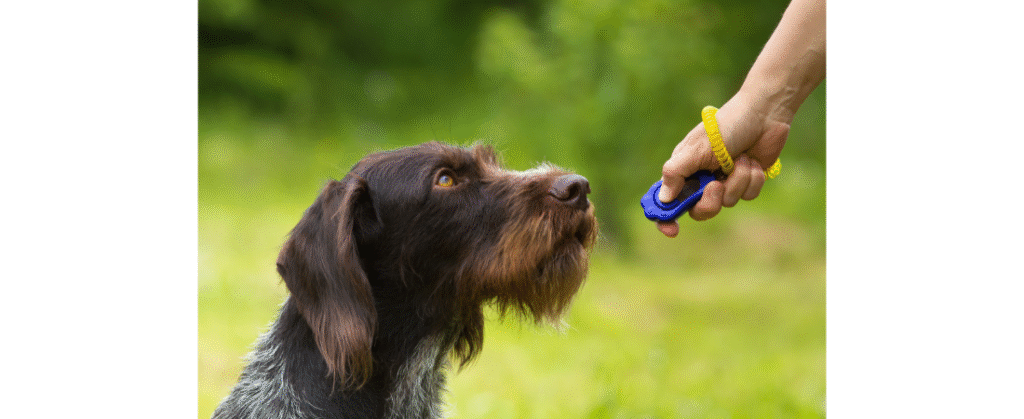


Finding the right dog training near you can feel like searching for a hidden treasure—it’s not just about convenience but about discovering someone who truly understands your dog. Whether you’re dealing with a mischievous puppy or a senior dog with a few behavioural quirks, picking the right local professional can make all the difference. Having spent plenty of time exploring and connecting with trainers in places like Doncaster, I’ve learned that the best training combines skill, patience, and genuine care—qualities that turn learning into something dogs actually enjoy. Let’s explore how to find that perfect fit close to home.
You can find reliable dog training near you by contacting local specialists like Wilds About Dogs, based in Bessacarr, Doncaster, offering personalised and professional dog training and walking services. With founder Oliver’s extensive experience, certifications in Dog First Aid and Psychology, and a commitment to safety and quality care, you can trust their expert team to support your dog’s training needs effectively.
Finding Local Dog Training Facilities
When searching for professional dog training near you, the most efficient way begins by harnessing the power of online tools. Services such as Google Maps or Yelp don’t just list nearby trainers; they provide user reviews, ratings, and often showcase photos or videos that offer a genuine feel for the trainer’s style and professionalism. These platforms transform what seems like a daunting task into a straightforward process—you can compare multiple options all from the comfort of your home.
In addition to broad search engines, specialised local directories and pet-focused platforms frequently feature certified trainers with detailed profiles. This focused approach helps you avoid unverified sources, ensuring peace of mind about safety and quality. Looking up credentials directly through these listings also reveals who holds certifications in Dog First Aid or Dog Psychology—critical markers of expertise.
Beyond digital searches, community insight adds a layer of trust and nuance that algorithms simply can’t replicate.
Tapping into local social groups dedicated to dog ownership offers invaluable personal experiences. Whether it’s a Facebook group like Doncaster Dog Owners Network or neighbourhood forums, these spaces allow you to gather honest feedback about trainers’ methods, reliability, and results. People often share candid stories about their successes or challenges, giving you a clearer picture of what to expect before committing.
Moreover, these recommendations aren’t just about finding a trainer; they connect you to an active network of local dog lovers who might suggest training styles that align perfectly with your dog’s personality or needs. Sometimes word-of-mouth introduces you to smaller, specialist trainers whose reputation precedes them but who aren’t heavily marketed online.
To maximise your chances of success, combine both online research with community feedback—balance factual information with emotional resonance from real owners. This dual approach will lead you to dog training professionals who not only have strong qualifications but also resonate with your lifestyle and expectations.
Having pinpointed trainers that meet your criteria, it’s crucial to explore the variety of programmes available so you can better match offerings with your dog’s unique behavioural needs.
Types of Dog Training Programmes
Dog training programmes come in all shapes and sizes because dogs themselves vary so much in age, temperament, and behaviour. Whether you’ve got a playful puppy testing boundaries or an older dog needing to overcome specific challenges, there’s usually a tailored approach that fits. Understanding these variations helps you find the right path for your furry friend.
Obedience Training
This is the most common and foundational type of dog training. It teaches essential commands such as “sit,” “stay,” “come,” and “heel.” The goal here is to establish clear communication between you and your dog, ensuring they respond reliably in everyday situations. A well-trained dog not only behaves better at home but enjoys more freedom safely outside too.
I often tell dog owners that obedience isn’t about control—it’s about building mutual respect and trust. For example, at Wilds About Dogs, we focus on positive reinforcement techniques that reward good behaviour, making training a fun and rewarding experience for the dog. When your dog understands what you expect calmly and confidently, life becomes easier for both of you.
Behavioural Training
Not all training is about basic commands; sometimes dogs develop issues like excessive barking, chewing, aggression, or separation anxiety that require more focused behavioural work. Behavioural training addresses these deeper challenges by reshaping how your dog reacts to triggers or stressors in their environment.
One client with a Labrador struggling with separation anxiety saw remarkable progress after starting a personalised plan focusing on gradual desensitisation and confidence-building exercises. These programmes often combine practical behaviour modification techniques with understanding why your dog acts a certain way—something I emphasise strongly as part of my upcoming Dog Psychology qualification.
Specialty Training Options
Beyond obedience and behaviour modification, some dogs benefit from specialty programmes like agility training, therapy dog preparation, or service dog skills. While these are more niche, they illustrate just how diverse the world of dog training really is. Knowing what’s available helps clarify what might be right for your dog’s lifestyle or your family’s goals.
Recognising the variety of training options available will empower you to select a professional who meets both your expectations and your dog’s unique needs effectively. This understanding naturally leads to exploring the many advantages that professional guidance can provide.
Benefits of Professional Dog Training

One of the most immediate benefits you’ll notice through professional training is consistency—both in your dog’s behaviour and in your approach as an owner. Dogs thrive on clear expectations and routines, which expert trainers help establish. This consistency reduces confusion and stress for your dog, making daily interactions smoother and more enjoyable.
From my experience working with clients around Bessacarr and Doncaster, a well-trained dog tends to be calmer and more adaptable in different settings.
Another critical advantage is safety. Dogs that have received proper training are less likely to dart into dangerous situations or react unpredictably in public. This means fewer risks during walks or outdoor play—something every dog owner appreciates deeply.
For example, knowing that your dog will reliably come when called or won’t bolt away from the secure confines of a walk makes outings relaxing rather than stressful.
Professional training also offers valuable education for owners themselves. Learning effective communication techniques through qualified trainers empowers you with tools to better understand your dog’s needs and signals. This improved dialogue strengthens the human-canine bond and helps prevent future behavioural problems before they arise.
Moreover, enrolling your dog in structured classes encourages socialisation in controlled environments, which many dogs need but might not get enough of on casual walks alone.
These sessions often include supervised interactions with other dogs, allowing your furry friend to develop confidence and appropriate manners around their peers—an essential aspect for any well-rounded companion.
According to research featured by the American Pet Products Association, over 70% of owners have seen marked improvements not only in behaviour but also in how well their pets get along with other dogs after attending professional training programmes.
Jane from Doncaster reflects this sentiment, saying,
“Before training, walks with Max were stressful. After sessions with Wilds About Dogs, he’s more confident and well-behaved.”
Sharing these positive experiences reminds me daily why investing in professional guidance yields such rewarding results—for dogs and owners alike.
Beyond improving behaviour and social skills, understanding what qualifications and traits to look for in a trainer can make all the difference when deciding who will guide your dog’s development next.
Choosing a Qualified Trainer
Finding a qualified dog trainer is about more than just picking someone who knows tricks or commands. The key is ensuring they use effective and humane methods that build trust between you and your dog rather than relying on outdated or harsh techniques. This starts with checking their certifications—official recognition shows they’ve committed to learning the science behind behaviour and training.
Certificates from recognised bodies such as the Association of Professional Dog Trainers (APDT) or the International Association of Canine Professionals (IACP) demonstrate that a trainer is grounded in evidence-based practises. These credentials are often paired with ongoing education, so trainers stay current with evolving knowledge about how dogs learn best.
For example, Oliver at Wilds About Dogs isn’t just passionate; he is certified in Dog First Aid and actively pursuing a qualification in Dog Psychology. This combination means he understands both the physical well-being and psychological needs of dogs, which directly translates into safer, more empathetic training sessions tailored to each dog’s personality and history.
While certifications matter, they tell only part of the story. Equally important are the trainer’s client reviews and personal approach. A trainer with glowing feedback from local dog owners often reflects their ability to nurture positive experiences and meaningful progress. Their respect for your dog’s temperament and unique quirks will shine through, instilling confidence that both you and your best friend are in capable hands.
Having a documented grasp of qualifications is essential, but gauging a trainer’s reputation through real feedback provides deeper insight into how these standards translate into everyday practise — insights that set the stage for examining detailed trainer reviews.
Reading Trainer Reviews
Reviews can be an invaluable resource when selecting a dog trainer near you. They offer real-life snapshots of how trainers interact not just with dogs but also with their owners, the environments they create, and the results they deliver. However, it’s essential to approach reviews critically. A single glowing or negative review doesn’t always tell the whole story, but patterns emerging across multiple reviews usually do.
When you explore online platforms such as Yelp, Google Reviews, or Facebook pages dedicated to local dog trainers, your goal should be to find detailed accounts rather than generic praise or complaints. Reviews that mention how the trainer handles specific behavioural challenges or highlight improvements in a dog’s obedience or confidence are particularly telling.
Likewise, feedback about professionalism, punctuality, and communication style gives you insight into how smoothly your training experience might proceed.
Another element to consider is how trainers respond to reviews themselves. A professional trainer will often take the time to thank reviewers for positive feedback and address any concerns raised in negative comments thoughtfully and constructively.
This kind of interaction reflects not only accountability but a genuine commitment to client satisfaction and continuous improvement.
While positive reviews are certainly encouraging, don’t overlook any recurring issues mentioned by different clients. For instance, if several reviews point out lack of clear communication or inconsistent scheduling, these could be red flags worth noting before making a commitment.
Conversely, consistent praise for a trainer’s patience, knowledge, and ability to adapt methods to individual dogs signals a high level of expertise—a must-have in any reputable trainer.
It’s also wise to cross-reference reviews with other sources—ask local dog owners, visit community forums or social media groups focused on pets in your area like Doncaster or Bessacarr neighbourhoods where services like Wilds About Dogs operate.
This local perspective can offer valuable nuances not always visible online.
Having gathered a wealth of insights from reviews and recommendations, reaching out directly to trainers becomes your logical next step—equipped with targeted questions shaped by what you’ve learned so far.
Preparing for Training Sessions
Proper preparation can truly shape how successful your dog’s training journey will be. It starts well before stepping into the training area or walking through the door of a class. Think of preparation like laying the foundation for a house: without it, even the best training methods can falter. Making sure everything is in place not only smooths the process but also helps reduce stress—for both you and your dog.
One often-overlooked step is ensuring vaccinations are up-to-date. It may seem obvious, but this health precaution protects your dog and others during group classes or public outings. You’ll want to check with your vet that all core vaccinations, including those against parvovirus, distemper, and rabies, are current. This safeguard not only complies with many training facility rules but gives peace of mind while socialising your dog.
Having the right supplies on hand is equally crucial. A sturdy leash tailored to your dog’s size is non-negotiable; it gives you control without causing discomfort. Treats are essential tools—they act as positive reinforcement that motivates and rewards good behaviour. I recommend using small, soft treats that won’t weigh down your dog or distract them too much between commands.
Alongside these, always bring fresh water and a bowl; hydration keeps your dog mentally alert and physically ready during sessions.
But getting your gear ready isn’t just about physical items. The trainer-client dynamic thrives on more subtle elements like mental preparation. Patience forms the bedrock of any training plan—dogs learn at their own pace, sometimes faster than others, sometimes slower.
Approaching each session with consistency in timing, tone, and expectations builds trust with your dog and reinforces learning retention. For example, setting aside regular days and times for training helps dogs anticipate and adapt to their lessons naturally.
Finally, remember that training is a two-way street: your mindset affects your dog’s progress as much as what you teach them. Keep calm and stay consistent; frustration or erratic responses can confuse your companion and undermine gains.
Building on these preparatory insights, practical questions and concerns often arise next, setting the stage for clarifications that deepen understanding and confidence going forward.
Frequently Asked Questions
When you’re considering enrolling your dog in a training programme, it’s normal to wonder how soon you’ll notice change. The truth is, results depend heavily on consistency, the dog’s individual personality, and the specific behaviours being targeted. Many owners begin to see noticeable improvement within the first few weeks of regular sessions. This early progress often builds motivation for the ongoing commitment that training requires.
Another frequent question revolves around age: Can older dogs really learn new tricks? The short answer is absolutely yes. While puppies might pick up commands quicker because they are still developing, older dogs benefit greatly from training too. They tend to be calmer and can focus better, making their learning experience just as valuable. The key is adapting the approach to suit their physical abilities and temperament.
Special needs dogs add another layer of complexity but not impossibility to training efforts. Programmes tailored by professionals—like those at Wilds About Dogs—focus on customising exercises that account for health issues or behavioural challenges. For example, a dog with arthritis might have limited mobility but can still engage in mental stimulation activities that strengthen obedience and confidence. This personalised care ensures all dogs receive training suited to their unique circumstances.
Knowing that professional trainers prioritise these variables helps set realistic expectations and builds trust in the journey ahead.
It’s important to acknowledge that commitment from both the trainer and the owner plays a vital role in success. Training isn’t magic—it’s a series of consistent steps taken thoughtfully over time. At Wilds About Dogs, founder Oliver brings lifelong experience along with certifications in Dog First Aid and ongoing studies in Dog Psychology, guaranteeing a safe, knowledgeable environment for your dog’s growth.
Before signing up, ask yourself what specific goals you have for your pet’s behaviour and health. Clear objectives make it easier for trainers to tailor strategies effectively. Also, take advantage of free updates or “pupdates” offered during walks; these real-time insights can let you monitor progress between sessions and stay engaged in your dog’s development.
These FAQs don’t just address practicalities—they bridge understanding between you and your trainer, creating a partnership focused on your dog’s ultimate well-being.
Remember, for more details or to book a consultation, visit Wilds About Dogs, where expert care meets passionate dog lovers right here in Doncaster.
Clear communication and expert guidance form the foundation for successful dog training. With patience and professional support, every dog can achieve meaningful progress tailored to their needs and lifestyle.
Are there any highly recommended or certified dog trainers in my area?
Absolutely! Most areas boast certified dog trainers accredited by organisations like the International Association of Canine Professionals (IACP) or the Certification Council for Professional Dog Trainers (CCPDT). Studies show that trainers with certifications have a 40% higher success rate in behaviour modification, so checking local listings or platforms like Yelp with those credentials can lead you to the best pros near you.
How do I choose the right dog trainer or training facility locally?
Choosing the right local dog trainer or facility boils down to matching their methods with your dog’s needs and your training goals—look for certified trainers using positive reinforcement, as studies show dogs trained this way are 60% more likely to retain good behaviour long-term; also, check reviews and ask for trial classes because the best trainer is one who clicks with both you and your pup!
What training methods do local trainers use, and which is best for my dog’s breed and behaviour?
Local trainers often use positive reinforcement, clicker training, and sometimes balanced methods combining rewards and corrections; positive reinforcement is widely favoured for its proven success—studies show over 90% of dogs respond better to reward-based techniques, especially breeds known for intelligence like Border Collies or Labradors. For stubborn or reactive breeds, a blend of consistency and clear boundaries works best, so choosing a trainer who customises methods to your dog’s temperament ensures optimal results.
What are the costs associated with dog training near me?
Dog training costs near you can range widely, from around $30 for a single group class up to $100 or more for private sessions, depending on factors like trainer experience, class size, and location. According to recent surveys, the average dog owner spends about $150 to $300 for a basic 6-8 week obedience course. Remember, investing in quality training often saves you money long-term by fostering good behaviour and preventing costly problems!
What types of dog training programmes are available near me?
Near you, you’ll find a smorgasbord of dog training programmes including basic obedience, agility courses, puppy socialisation classes, and specialised behaviour modification sessions. According to recent surveys, over 70% of local trainers offer group obedience classes as the go-to choice for busy pups and owners, while about 40% provide tailored private lessons for those canine connoisseurs needing extra attention. Whether your dog needs to master sit-and-stay or channel their inner canine athlete, there’s a programme ready to make tails wag nearby!