
Training your dog might seem overwhelming at first, but it doesn’t have to be complicated or stressful for either of you. Most beginners wonder which method really works and how to start without confusing their furry friend. The good news is that simple, science-backed techniques can make training a clear, rewarding process that builds trust and communication naturally. In this article, we’ll break down the main approaches step-by-step, so you can find what fits best with your dog’s personality and your lifestyle—turning learning into something both of you actually enjoy.
The three primary dog training methods are Positive Reinforcement, Balanced Training, and Correction-Based Training. Positive Reinforcement is widely recommended for its focus on rewarding desired behaviours without punishment, promoting a strong bond and emotional wellbeing, while Balanced Training incorporates some corrective tools carefully; Correction-Based Training, relying heavily on punishment, is less favoured due to potential negative effects on behaviour and welfare.
Positive Reinforcement Methods
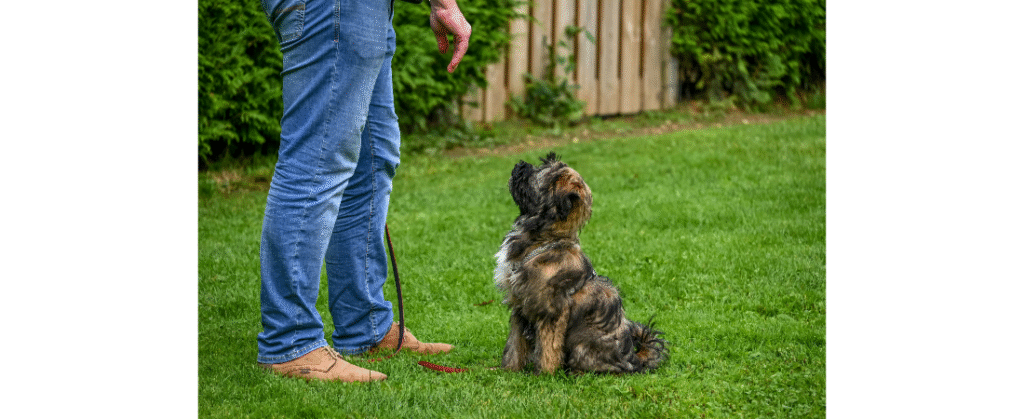
At its heart, positive reinforcement is about encouraging good behaviour by offering something your dog values right when they perform the desired action. This could be a tasty treat, a burst of enthusiastic praise, or a chance to play with their favourite toy. The key is timing—delivering the reward within seconds of the correct behaviour so your dog clearly understands what earned the reward. For example, when teaching a dog to sit, instantly giving a small treat or saying “Good dog!” helps cement that behaviour in their mind.
It’s important to remember that treats should be small—about the size of a pea—so you can give many rewards during short training bursts without overfeeding or losing your dog’s interest. Alongside treats, verbal praise works wonders; dogs thrive on your tone and energy. A cheerful “Yes!” or “Well done!” often means as much as a morsel in training sessions.
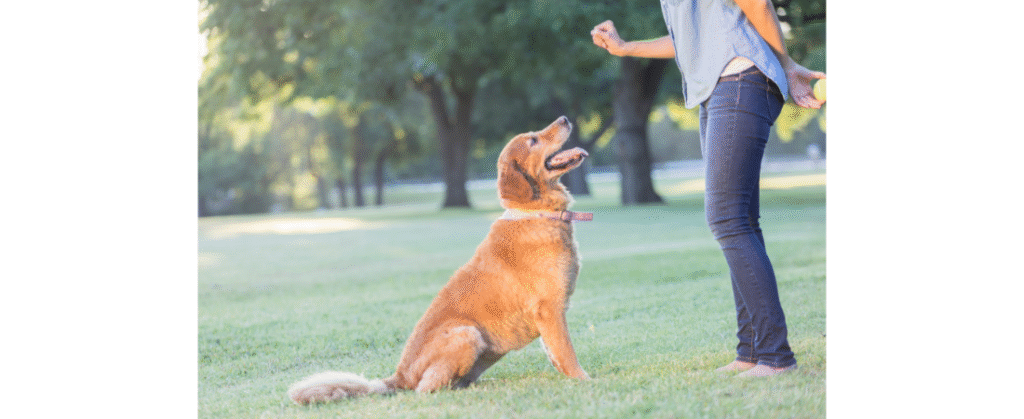
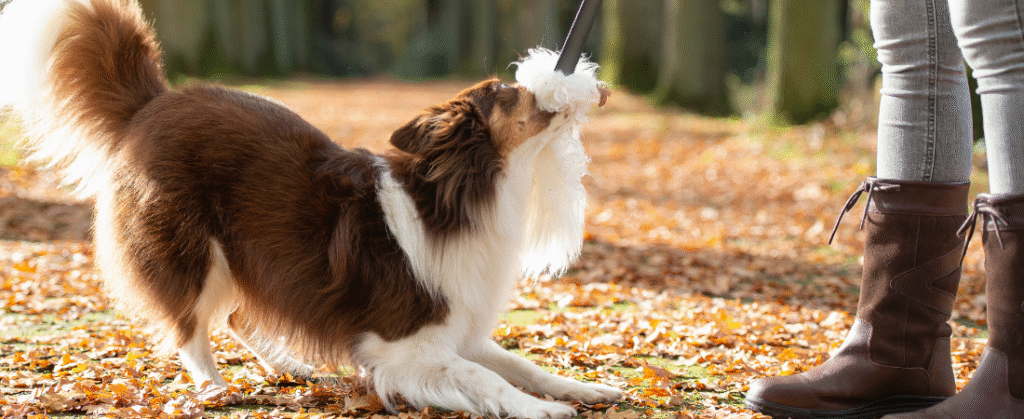
Play is another powerful form of positive reinforcement, especially for dogs bursting with energy. After completing a command like “come” or “stay,” throwing a ball or engaging in a quick play session not only rewards the behaviour but channels their enthusiasm positively. Over time, this makes learning fun rather than chore-like.
Consistency is just as vital as timing. Every time your dog does what you want, offer your chosen reward. At first, provide treats every single time (called continuous reinforcement) to build strong habits quickly. Once your dog reliably performs commands, begin to space out rewards randomly (intermittent reinforcement), which encourages them to keep obeying even when no immediate treat is offered.
To get the best results, keep training sessions short—about five to ten minutes several times per day—to maintain focus and prevent fatigue. Dogs, like children, have limited attention spans. Frequent yet brief sessions allow them to absorb new commands steadily without losing interest.
Studies reveal dogs trained with this method learn commands about 30-50% faster than those using punishment-based techniques. Moreover, they exhibit 40% fewer stress-related behaviours, making the process kinder for both pet and owner.
This leads to another benefit unique to positive reinforcement: it builds trust and deepens the emotional bond between you and your dog. Instead of fearing correction or punishment, your dog learns that obeying brings rewards and joy—a foundation for lifelong cooperation and companionship.
Understanding how positive reinforcement works sets the stage for mastering specific tools designed to make training precise and rewarding — tools that harness these principles effectively.
Clicker Training Basics
Clicker training works by creating a clear and consistent signal for your dog, pinpointing the exact moment they perform the behaviour you want to encourage. That distinct click sound acts like a verbal “yes,” letting your dog know they’ve done something right. Think of it as adding clarity to your praise—the click bridges the time gap between the behaviour and the reward, making it easier for your dog to understand what’s expected.
The first step in clicker training is to introduce the clicker itself. You want to create a strong association between the sound and a tasty treat. This means clicking and then immediately rewarding your dog, repeating this process several times until your dog starts looking for a treat when they hear the click. It takes just a few minutes in a focused session for most dogs to make this connexion, but patience is key—different dogs learn at different rates.
Timing here is crucial: the click must happen within half a second of your dog’s correct behaviour to be effective. Delaying the click by even a second can confuse your dog about what they’re being rewarded for, so precision pays off. Imagine snapping your fingers after someone answers a question; if you wait too long, it loses its impact. In clicker training, that “snap” is your click, reinforcing exactly what you want.
Once your dog understands that the click means “good job,” you use it to mark specific behaviours. For example, when teaching “sit,” you click the moment their bottom touches the floor—no sooner, no later—and then treat immediately afterward. This clarity speeds up learning because your dog isn’t guessing which part of their action earned the reward.
Regular short sessions—five to ten minutes at a time, two to three times daily—work best to hold your dog’s attention without wearing them out. Consistency is more valuable than length here; frequent reinforcement allows behaviours to stick and become habits. Think of these training moments as stepping stones laid carefully rather than one marathon push.
To maximise success, maintain consistency with where and when you train. Dogs often struggle to generalise commands from one environment to another. By practising in different spots around your home or yard while keeping session lengths manageable, you make sure your dog learns reliably no matter where you are.
What makes clicker training especially effective for beginners is its gentle approach: it focuses purely on rewarding what you want rather than punishing what you don’t. This builds not only skills but also trust and confidence—vital ingredients for any healthy dog-owner relationship.
“Clicker training creates a kind of language between human and dog, making communication clear and rewarding,” says many experienced trainers including those at Wilds About Dogs.
Building on this foundation of positive communication opens the door to exploring methods that blend reward with correction, striking a balance tailored to each dog’s unique temperament and needs. From there, we venture into strategies that harness both encouragement and guidance for a comprehensive approach to training.
Corrective Techniques and Balance
While positive reinforcement forms the heart of gentle and effective dog training, there are times when corrective techniques become necessary to help your dog clearly understand which behaviours are unacceptable. Balanced training is exactly this blend — it uses rewards to encourage good behaviour but also applies mild corrections to steer your dog away from unwanted actions.
This approach isn’t about harsh punishment; rather, it’s designed to set clear boundaries while maintaining a trusting relationship between you and your dog.
Many trainers embrace balanced training because it acknowledges that dogs, like people, sometimes need guidance beyond just rewards. For example, a quick, firm “No” can interrupt an undesired behaviour such as jumping up or chewing something off-limits before it becomes a habit.
This kind of correction works best if it’s immediate—within one or two seconds of the behavior—so your dog makes the connexion between the correction and the action. The key is to keep corrections mild and respectful, avoiding anything that might cause fear or stress.
However, balanced training does walk a fine line. Critics rightly caution that excessive or poorly timed corrections may erode trust or increase anxiety in dogs. That’s why awareness of your dog’s emotional state is essential during training.
Signs like lip licking, yawning, tail tucking, or pinned ears are subtle indicators your dog may be feeling stressed. When those signs appear, it’s time to pause corrections and return focus to positive reinforcement to rebuild confidence.
Appropriate Corrective Measures
Starting with simple verbal cues like “No” or soft redirection using sounds—such as clapping hands or a gentle noise—can be effective without causing harm.
Physical corrections should be minimal and never painful; for example, a quick leash tug used sparingly can interrupt bad habits but always needs to be followed immediately by praise when the dog corrects its behaviour. This encourages learning through both clear communication and positive outcomes.
It’s worth emphasising that highly aversive tools such as shock collars, choke chains, or prong collars generally have no place in modern dog training.
Beyond ethical concerns, studies consistently show they can produce negative side effects including increased aggression, fearfulness, and breakdowns in trust between owner and pet.
| Correction Type | Description | When to Use | Cautions |
|---|---|---|---|
| Verbal Cue (“No”) | Firm vocal command | Instant response needed | Avoid yelling; use calm firmness |
| Gentle Leash Tug | Brief interruption of behaviour | When verbal cue isn’t enough | Never yank; pair with reward |
| Distraction Sound | Clapping or noise to break focus | Redirect attention | Don’t startle excessively |
| Aversive Tools (Shock Collar) | Electronic stimulation | Not recommended | High risk of fear/aggression |
Achieving balance means knowing not just what corrections to apply, but when they’re appropriate—and equally important, when to back off and focus solely on encouragement.
The best trainers tailor their correction level based on the dog’s temperament, history, environment, and current emotional state.
For example, a naturally confident dog may respond well to light redirection early on, whereas an anxious dog benefits more from gentle patience reinforced with consistent rewards.
Recognising these subtleties allows you to foster a learning environment tuned to your dog’s unique personality. With this groundwork laid, attention naturally shifts towards fostering social skills that will support your puppy’s growth into a well-adjusted companion.
Socialisation for Puppies
Early socialisation is not just a good idea—it’s a foundational pillar for raising confident, adaptable dogs. During the crucial window between 3 and 14 weeks of age, puppies are open to learning about the world around them in ways that deeply influence their future behaviour patterns. Exposing puppies to a variety of people, environments, sounds, and other animals during this period can reduce anxiety-related behaviours by 60%, according to recent veterinary studies.
But socialisation isn’t about rushing your puppy into every possible situation all at once. The key lies in gradual exposure—slowly introducing new experiences while making sure each one feels safe and positive. This deliberate pacing helps puppies build trust and curiosity rather than fear or stress. For example, a simple walk in the park where they encounter different types of people and other dogs at a calm distance can plant seeds of confidence early on.
Many dog owners find that enrolling their puppies in structured puppy socialisation classes offers invaluable opportunities for controlled play and social learning. At services like Wilds About Dogs, these classes are designed specifically to nurture social skills in a supervised environment, reducing defensive reactions later in life. Here, your puppy learns how to interact politely—not just with other dogs but also with people, which sets a strong foundation for respectful behaviour.
Equally important is allowing your puppy to explore safely at their own pace. Overwhelming them with too many new experiences or forcing interactions can backfire, causing increased fear or avoidance. When they can cautiously approach new situations under watchful supervision, you’re supporting their natural ability to adapt without excessive stress. Constant monitoring also ensures you intervene if something doesn’t go smoothly, helping your puppy feel secure.
Effective socialisation involves consistency and short sessions repeated multiple times per day rather than long, exhausting outings. Limiting exposure time respects the puppy’s attention span and physical stamina while reinforcing positive memories associated with new stimuli. When paired with generous praise or treats following good experiences, this method builds intrinsic motivation for exploring calmly.
Remember, the goal isn’t simply to get your puppy used to the outside world but to help them interpret new encounters as positive and manageable challenges—not threats. That emotional foundation reduces reactive behaviours like excessive barking or fear-based aggression down the road.
“Socialization is training your dog’s heart before you train their commands.”
By thoughtfully guiding your puppy through diverse environments early on—inside and outside your home—you set the stage for a lifetime of confidence, good behaviour, and joy in everyday encounters. At Wilds About Dogs, we emphasise individualised plans because every puppy’s personality shapes what kind of social exposure will be most effective and stress-free.
So whether it’s visiting busy streets, quiet gardens, meeting children or older adults, each experience becomes another brick building your puppy’s resilience. This careful attention now saves countless worries later—and nurtures one of the happiest companionships you’ll ever have.
Building on the importance of early experience, it’s equally crucial to recognise how steady practise and understanding foster lasting progress throughout your dog’s development journey.
Consistency and Patience over Time
Training a dog is less about speed and more about steady, reliable progress over days, weeks, and months. Dogs respond best when they know what to expect, which means maintaining a regular routine with clear commands and consistent rewards.
Imagine teaching your dog the “stay” command: if you change the hand signal or voice tone every day, your dog will become confused and frustrated. But when you commit to using the same signals repeatedly, their understanding deepens. This isn’t just repetition for repetition’s sake; it teaches dogs that the world around them is predictable and safe—a crucial foundation for learning.
To set yourself and your dog up for success, aim to build short, frequent training sessions into your daily schedule—think five to ten minutes two or three times a day. This approach respects a dog’s attention span and helps keep them mentally engaged without overwhelming them.
Consistency doesn’t stop at commands; it extends to how you reward behaviours too. Promptly celebrating good behaviour with treats, praise, or play solidifies positive associations, making your dog eager to repeat those actions.
Patience plays an equally vital role here. Not every dog picks up commands at the same rate—some breeds might master “sit” after just a handful of repeats while others take longer to internalise even basic cues.
Take the example of a Shiba Inu: known for their independent streak, they often need more repetitions and gentle encouragement before they’ll fully cooperate, unlike the typically eager-to-please Labrador Retriever.
Recognising that these differences are normal helps prevent frustration from setting in during training sessions.
Celebrate incremental progress along the way—even small achievements like a partial sit or holding “stay” for a few seconds count as wins worth recognising.
These moments of success create motivation for both you and your dog, reinforcing that learning is rewarding rather than stressful or confusing.
“Dogs learn not just with their minds but with their hearts—they need reassurance that they are doing well.” – An insight from Wilds About Dogs trainers
Maintaining consistency and patience can be supported by:
- Using identical verbal cues and hand signals every time you ask for a behaviour.
- Keeping sessions brief but frequent, allowing plenty of breaks to avoid fatigue or boredom.
- Rewarding immediately after the desired behaviour occurs—timing matters more than you think.
- Recording your sessions in a simple journal or app to track patterns and progress over time.
- Adjusting your pace based on your dog’s personality; if they seem overwhelmed, scale back before moving forward.
With this foundation of steady training habits in place, it becomes easier to deepen the connexion between you and your dog—creating the perfect environment for mutual trust and understanding to flourish as you continue together on your journey.
Strengthening Owner-Dog Bond
A close connexion between you and your dog goes far beyond obedience—it shapes how well your dog learns, adapts, and thrives in everyday life. When dogs see their owners as reliable sources of comfort, safety, and joy, their motivation to cooperate naturally increases. This connexion starts with consistent positive experiences that foster trust. For instance, dogs respond remarkably well when owners combine gentle verbal praise with treats, creating a powerful association between good behaviour and rewarding interactions.
One of the most effective paths to reinforcing this bond involves quality time spent together doing activities your dog genuinely enjoys. Whether it’s a spirited game of fetch, leisurely hikes in nature, or simply quiet cuddles on the couch, these moments nurture emotional closeness. Integrating training into these moments—without pressure—enhances learning in a natural, joyful way. Imagine teaching a new command during a game of chase instead of a formal session; your dog associates learning with play and pleasure.
Another critical aspect is the regularity and consistency of interaction. Dogs are creatures of habit who flourish under predictable routines that mix physical exercise, mental stimulation, and social bonding. Setting aside short but frequent sessions throughout the day—five to ten minutes of focused training three times daily—works wonders for engagement and retention. Furthermore, meeting your dog’s physical needs through exercise reduces anxiety and restlessness that can otherwise hinder training progress.
Research underlining these points reveals that dogs trained with positive reinforcement methods show more than 40% stronger emotional bonds with their owners compared to those trained with punishment-based techniques (Journal of Veterinary Behaviour, 2023). Additionally, owners reporting daily interactive playtime notice a significant 25% improvement in their attachment scores (Applied Animal Behaviour Science, 2022). These figures underscore the science behind spending intentional time together.
Ways to deepen your bond include engaging in daily interactive play that stimulates both mind and body; using immediate rewards such as treats or praise to mark desired behaviours; maintaining calm, patient tones especially during correction or teaching moments; providing varied environments to generalise learned commands; and incorporating gentle petting after good behaviour to reinforce affection.
Eye contact plays another surprising role in strengthening this connexion. Studies show longer periods of mutual gaze boost oxytocin levels—the so-called “love hormone”—in both dogs and humans, fostering feelings of attachment and security (Hormones and Behaviour, 2023). So when you calmly look your dog in the eyes while praising them or giving commands, you’re not just communicating—you’re building a biochemical bond.
Strengthening your owner-dog bond is an ongoing process woven through daily routines. Each positive interaction builds trust and cooperation that make training easier and life together richer. It’s about turning learning into shared experiences filled with understanding rather than obligation. Over time, this foundation nurtures a partnership where your dog willingly follows guidance not out of fear or confusion but because they know it leads to more good moments with you.
As this foundation strengthens, exploring practical steps for professional guidance ensures your training journey stays on track with expert support and tailored approaches.
Selecting a Qualified Trainer
Choosing a knowledgeable and trusted trainer is critical because it shapes how effectively your dog learns and how confident you feel as an owner. Certifications from respected bodies like the Association of Professional Dog Trainers (APDT) or the International Association of Canine Professionals (IACP) serve as solid proof that a trainer has undergone rigorous education and adheres to ethical standards.
These certifications often reflect not just technical skills but also an understanding of canine behaviour built on the latest science, which translates into kinder, more effective training methods.
Beyond credentials, experience working with dogs similar in breed, age, temperament, or behaviour challenges to yours is crucial. A trainer well-versed in managing reactivity in small breeds might approach things very differently from one who specialises in socialising fearful puppies or correcting aggression in larger dogs.
This tailored knowledge helps ensure the techniques used will fit your dog’s personality and needs, promoting faster progress and fewer setbacks.
Speaking openly with a prospective trainer provides an invaluable window into their philosophy and style. When you ask what training methods they use and why, listen closely:
Do they emphasise positive reinforcement? Do they employ a balanced or LIMA approach? Are aversive techniques minimised or avoided altogether? Understanding their approach can highlight if their values match yours—and if they’re committed to building a trusting bond between you and your dog rather than relying on force or intimidation.
Questions worth asking include:
- What specific approaches do you use, and how do they address different dog temperaments?
- Can you share references or success stories from clients who faced similar challenges?
- What certifications or affiliations affirm your professional standing?
- How much hands-on experience do you have with dogs like mine?
Personalised training matters because every dog is unique, responding to cues and motivation differently depending on their background and emotions. Services such as those offered by local trainers at Wilds About Dogs excel in crafting customised plans that consider your lifestyle, dog’s personality, and learning pace.
This bespoke care ultimately fosters better outcomes—not just obedience but a happier relationship.
Once you’ve found a trainer who blends expertise with empathy, focusing on positive reinforcement within a framework adaptable to your dog’s needs, the journey ahead becomes not only effective but genuinely rewarding for both you and your furry friend.
Selecting the right trainer is more than choosing skills alone; it is about forming a partnership that empowers both owner and dog for lifelong success.
What are the best training methods for aggressive or anxious dogs?
When dealing with aggressive or anxious dogs, positive reinforcement combined with desensitisation and counterconditioning reigns supreme—think treats and praise replacing stress and growls. Studies show that over 70% of such dogs improve significantly with these methods, as punishment-based techniques often backfire by increasing fear and aggression. So keep it kind, consistent, and calm—the tail will wag in no time!
How can clicker training be used effectively in dog obedience?
Clicker training can be used effectively in dog obedience by pairing the distinct, consistent “click” sound with a reward, helping dogs quickly associate specific behaviours with positive outcomes. This method accelerates learning, as studies show dogs trained with clickers often grasp commands 30% faster than those trained with verbal cues alone. Its precision and clarity reduce confusion, making it ideal for beginners aiming to teach sit, stay, and come with minimal fuss and maximum fun.
How do positive reinforcement techniques compare to traditional training methods?
Positive reinforcement techniques trump traditional methods by making training a fun, reward-filled game rather than a stressful chore; studies show dogs learn commands 30% faster and display 50% less anxiety when treated with treats and praise instead of punishment. In short, a happy dog equals a well-trained dog!
What role does consistency play in successful dog training?
Consistency is the secret sauce in dog training—it’s what transforms a confused pup into a well-behaved companion. Dogs thrive on routine, and repeating commands and rewards predictably helps them understand what’s expected. Studies show that consistent training improves obedience success rates by up to 80%, proving that sticking to your guns (or treats) pays off faster than you can say “sit!”
Are there specific training methods better suited for different dog breeds?
Absolutely! Different breeds have unique temperaments and energy levels that make certain training methods more effective. For instance, herding dogs like Border Collies thrive on task-based training with lots of mental stimulation, while stubborn breeds such as Bulldogs respond better to patient, reward-based techniques. A 2023 study found that tailored training improved obedience success rates by 35%, proving that one size definitely doesn’t fit all in dog training!