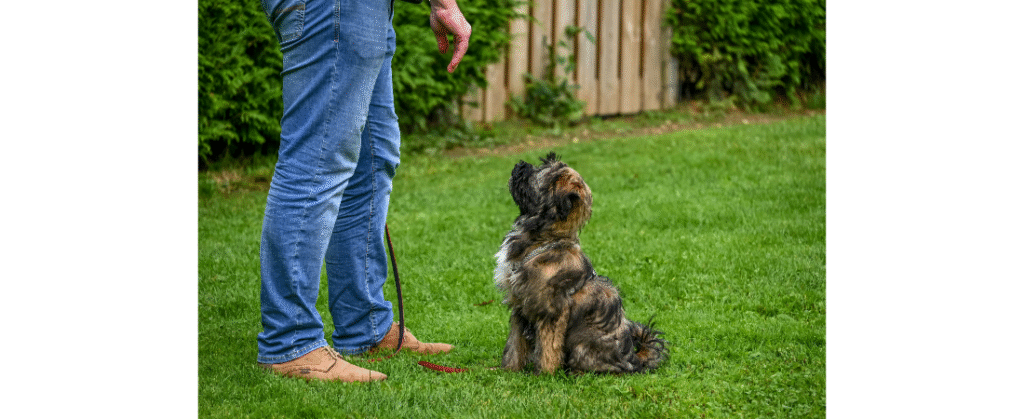


Training your dog can feel a bit overwhelming when you start looking at prices and options—but knowing what to expect can make a huge difference. Whether you want your pup to learn basic manners, fix tricky behaviours, or even prepare for special tasks, understanding how costs break down helps you pick the right path without guessing. This guide walks you through typical fees, different training styles, and smart ways to get great results while keeping your budget in check—all explained simply so you can feel confident about investing in your dog’s future.
Dog training costs can vary depending on the type of training, trainer experience, and location, but typically range from £30 to £60 per session for individual lessons. At Wilds About Dogs, we offer competitive pricing tailored to your dog’s needs, ensuring professional and effective training within Bessacarr and surrounding areas of Doncaster.
Average Costs of Dog Training
When it comes to dog training, costs can vary quite a bit depending on several factors like where you live, the trainer’s qualifications, and the type of training you choose.
Group classes, which are a popular option, typically run between £50 and £125 for a block of four to eight weekly sessions. These classes offer great value for basic skills and socialisation because you’re sharing the trainer’s time with others in your area.
On the other hand, private one-on-one sessions tend to be more expensive, usually charging anywhere from £45 to over £120 per hour. This higher price reflects the tailored attention your dog receives, addressing specific issues or advanced commands.
Beyond these typical ranges, there are specialty programmes that can push past £500—these often include intensive behavioural work or niche training like agility or service dog preparation.
The trainer’s reputation and certifications also influence pricing: highly experienced trainers or those with specialised qualifications may charge premiums because of their expertise.
For example, at Wilds About Dogs, founder Oliver brings not only years of hands-on experience but also certifications in Dog First Aid and ongoing studies in Dog Psychology, which reflect his commitment to safe and effective training practises.
With costs varying so widely, it’s important to understand what each package really offers before committing.
What You Get for Your Money
Paying for dog training isn’t just about sitting in a room watching your dog respond to commands; it’s an investment in skills that keep your pet safe, happy, and well behaved throughout life.
Standard group classes usually teach fundamental obedience commands like sit, stay, and recall while helping your dog get comfortable around distractions and other dogs. These classes provide solid groundwork for most pets—and they’re perfect if you’re looking for consistent routines without breaking the bank.
However, higher-priced sessions often bring more personalised support. Trainers may develop behavioural modification plans tailored to challenging traits such as anxiety or aggression.
This kind of bespoke guidance often includes evaluating your dog’s environment and lifestyle habits to help shape lasting outcomes.
Think of it this way: a standard class is like buying a ready-made suit that fits fairly well, whereas private training is custom tailoring designed specifically for your dog’s unique personality and needs.
One local dog owner shared positive feedback after attending a group class with Wilds About Dogs:
“We spent £75 on a group class that really boosted our dog’s recall even when there were lots of distractions around. It was worth every penny.”
This kind of result shows how professional training carefully matched to your goals can create real improvements.
If budget is a concern but quality matters to you—as it should—consider starting with group classes to cover basics and then moving toward private sessions for specific challenges as they arise.
Many trainers offer packages combining both approaches at discounted rates, providing flexibility while ensuring comprehensive care for your furry friend.
Investing wisely in your dog’s training can lead to happier walks, safer off-leash moments, and a stronger bond between you both.
Understanding what you receive at different price points sets the stage for exploring the variety of programme options available, ensuring that both you and your dog find the right fit on your training journey.
Types of Training Programmes
When it comes to training dogs, there really isn’t a one-size-fits-all approach. Different dogs, personalities, and goals call for different styles and intensity levels of training.
At the most basic level, Basic Obedience Training forms the cornerstone of any well-mannered dog’s education. This programme typically includes essential commands like sit, stay, come, and heel. These sessions often span several weeks because consistency and repetition are key to solidifying these foundational behaviours. Not only does this type of training improve day-to-day communication between you and your dog, but it also fosters mutual respect and trust that will benefit every interaction moving forward.
Moving beyond basic obedience, Behavioural Training targets more specific problems that can disrupt harmony at home or in public. Maybe your dog barks non-stop when left alone or has developed undesirable habits such as chewing on furniture or showing aggression toward other dogs.
This kind of training requires a tailored approach — the trainer must assess triggers, design personalised interventions, and monitor progress closely. Due to this highly customised care, behavioural training often demands extra time and specialised expertise, which understandably influences cost. However, getting ahead of these challenges early not only improves your dog’s quality of life but prevents escalation into more serious issues.
Additionally, many trainers offer specialty courses that cater to particular goals or life stages. For example, Puppy Training Programmes focus on socialisation skills and introducing young dogs to household routines gently but effectively during their critical development period. These programmes emphasise patience and positive reinforcement techniques that build confidence without overwhelming the puppy.
Other common programmes include:
- Advanced Obedience: Building on basic skills with more complex commands and off-leash control.
- Agility Training: Combining physical exercise with mental challenges to engage energetic dogs in a fun way.
- Therapy Dog Training: Preparing dogs to provide emotional support or assistance in environments like hospitals or schools.
If you’re unsure which programme fits best, consider your dog’s personality, age, and specific challenges. A good trainer—like those at Wilds About Dogs in Doncaster—can help you assess these factors and tailor a plan that balances effectiveness with affordability.
Remember, investing in the right training early often saves money and frustration later.
With a clearer picture of what each type of training involves, it’s important next to understand how pricing structures differ based on the length of programmes, expertise of trainers, and formats like private versus group sessions.
Private Sessions vs. Group Classes
Private sessions offer a bespoke approach to training where the instructor focuses entirely on your dog’s unique challenges and learning pace. This type of training is like having a personal coach available—every lesson can be adapted in real time, addressing issues as they come up without distractions.
For example, if your dog has anxiety or specific behavioural problems such as aggression or fearfulness, private sessions allow targeted strategies that wouldn’t work as well in a group setting. The trade-off, however, is cost: these one-on-one lessons generally come at a premium due to the dedicated time and expertise involved.
On the flip side, group classes bring a rich social environment for dogs and owners alike. Dogs learn not only obedience but also how to interact calmly and positively with other dogs, which is crucial for well-rounded behaviour.
Group settings encourage peer learning; dogs often imitate each other’s responses and pick up cues faster amidst their pack of classmates. From an owner’s perspective, group classes foster a sense of community—sharing experiences with fellow dog lovers can be motivating and informative.
Plus, the lower cost per session makes regular attendance more affordable.
What you lose in group classes compared to private sessions is the finely-tuned individual attention. Trainers must balance teaching multiple dogs at once, leaving less opportunity to zero in on specific problems or personalise feedback extensively.
Scheduling is typically fixed in groups too, so flexibility can be an issue if you need to juggle other commitments.
| Factor | Private Sessions | Group Classes |
|---|---|---|
| Individual Attention | High – trainer focuses solely on your dog | Low – attention divided among attendees |
| Socialisation | Limited to owner and trainer interaction | High – dogs interact with peers |
| Customization | Tailored plans addressing specific needs | General training curriculum |
| Cost | Higher due to personalised service | More economical due to shared sessions |
| Scheduling Flexibility | Often flexible to suit your timetable | Usually fixed schedules |
When considering costs, remember that investing in private sessions upfront can sometimes save money long term by swiftly resolving difficult behaviours before they escalate.
Conversely, group classes provide excellent foundational skills and social exposure that benefit most dogs early on.
At Wilds About Dogs, we often suggest starting with group classes if socialisation is the priority—especially for puppies—to build confidence alongside peers. As challenges emerge or specific goals become clearer, transitioning into private sessions offers the concentrated support needed to refine training results.
“We started with group classes to socialise our puppy, then transitioned to private sessions to address specific aggression issues,” shared a client on our website, echoing this balanced approach.
Ultimately, the decision hinges on what feels right for your dog and your budget; combining both methods can offer the best of all worlds—a solid foundation paired with personalised guidance when it matters most.
Understanding these options lays a strong groundwork for grasping why training prices vary so widely. Exploring what influences these costs next will shed light on making informed choices tailored to your situation.
Factors Influencing Training Prices
When budgeting for dog training, it’s crucial to recognise that prices aren’t fixed—they vary widely depending on several important factors. One of the primary influences is the trainer’s experience and credentials. A trainer with advanced certifications such as CPDT or membership in professional bodies like APDT often commands higher fees. These credentials indicate a deeper understanding of canine behaviour, a commitment to ethical standards, and demonstrated success in helping dogs and their owners. Paying more for such expertise can translate into faster progress and a healthier bond with your dog.
Another significant factor is where you live. Urban centres with high demand and elevated living costs tend to have steeper pricing. However, if you’re based in a place like Doncaster or its surrounding areas—including Bessacarr where services like Wilds About Dogs operate—you might find more competitive rates without sacrificing quality. That’s because local trainers often tailor their pricing to community affordability while maintaining high standards, sometimes backed by personal passion and detailed knowledge of regional needs.
The training methods themselves also shape costs. Positive reinforcement, a humane and effective approach, requires not just patience but personalization—a trainer who reads your dog’s unique responses and adapts accordingly. This process takes more time per session than quicker but outdated punishment-based techniques. Consequently, trainers specialising in positive reinforcement may charge more to reflect this dedication and superior care, but what you gain is irreplaceable: a trusting, confident companion.
These factors intertwine, creating a tapestry where price reflects not only the service but the level of professionalism and tailored attention your dog receives.
Trainer’s Experience and Credentials
Experience isn’t simply about years; it’s about results and ongoing learning. Many professional trainers invest continuously in education—pursuing certifications, attending seminars, or engaging with canine psychology studies. For example, Oliver at Wilds About Dogs holds Dog First Aid certification and is completing a Dog Psychology qualification. Such credentials aren’t just letters after a name; they represent knowledge that directly impacts training effectiveness and safety.
Location
Geographic location not only affects pricing but availability and style of services offered. In big cities, overhead costs factor heavily: rent for training spaces, marketing expenses, or regulatory compliance may push fees upward. Meanwhile, places like Doncaster enjoy lower overheads, allowing trainers to offer fairer prices without compromising thoroughness or care.
Training Methods
It’s worth considering that investing in positive reinforcement techniques pays off long term by fostering happy behavioural changes without fear or anxiety in your dog. While these sessions require more time commitment from both owner and trainer—and possibly higher initial costs—the benefits ripple far beyond the wallet: fewer behavioural issues down the road means reduced stress and expense overall.
“The best investment you can make in your dog’s future is quality training that respects their nature.”
Costs reflect combined factors including expertise level, geographic context, and chosen training philosophy. By understanding these elements clearly, you can make informed choices that suit both your budget and your dog’s wellbeing.
If you’re seeking professional yet affordable dog training that blends experience with compassionate care here in Doncaster, consider reaching out to specialists like Wilds About Dogs for tailored packages designed around your dog’s needs.
Understanding these price drivers sets the stage for exploring practical strategies to train your dog effectively without overspending. Let’s now examine some smart approaches that keep quality high while managing costs carefully.
Budget-Friendly Training Tips
Not everyone has a large budget for dog training, but that doesn’t mean quality results are out of reach. With a mix of resourcefulness and the right guidance, you can achieve meaningful progress without overspending.
One of the simplest ways to start is by embracing DIY training. Thanks to the wealth of free content available online, basic training no longer requires expensive in-person lessons. Platforms like YouTube host countless expert-led tutorials that walk you through essential commands and behavioural techniques step-by-step.
At Wilds About Dogs, we also provide detailed how-to blogs written with everyday dog owners in mind, ensuring the advice is easy to follow and effective in real life. This method not only saves money but allows you to train at your own pace and tailor exercises specifically to your dog’s unique personality.
But while going solo is appealing, pairing DIY efforts with professional support often yields the best balanced approach — especially when budgets are tight.
Many trainers understand the financial challenges dog owners face and offer bundle packages as an economical solution. Purchasing a set of multiple sessions upfront often comes with a discount or added value such as free follow-ups or complementary assessments.
For example, a package like “5 sessions for the price of 4” not only stretches your investment further but creates a clear training roadmap to build steady momentum over time. These deals usually include consistent scheduling, meaning your dog gets routine reinforcement which is critical for lasting behaviour change. This approach also removes the hassle of booking every session separately, making it easier to stay committed.
If professional bundles still feel out of reach, community resources can be a surprising and valuable source of support.
Many local councils, charitable organisations, or pet-related groups run community programmes that present low-cost or even free workshops focused on basic obedience and socialisation skills.
These initiatives often welcome all experience levels and emphasise positive reinforcement techniques, making them excellent opportunities to get hands-on learning with peer support. Attending such sessions also connects you with other dog owners who share similar goals—creating an informal network of encouragement and shared tips.
Beyond the obvious savings, these programmes can deepen your understanding by offering practical demonstrations and personalised feedback that online videos sometimes lack.
Balancing between self-led efforts, package deals from professionals like Wilds About Dogs, and community workshops means you’re not limited by budget constraints but empowered by diverse learning options. With thoughtful planning and consistent effort, quality dog training doesn’t require breaking the bank — it requires commitment and access to the right tools and knowledge.
“Training is less about spending money and more about investing time wisely.” – Oliver, Founder of Wilds About Dogs
Always consider your dog’s specific needs when deciding between options—some dogs benefit greatly from hands-on help early on, while others do well with guided home practise buttressed by occasional professional check-ins. Starting with free resources or community programmes can be an ideal way to gauge your dog’s responsiveness before moving on to paid services.
If you’re based in Doncaster or surrounding areas, check out Wilds About Dogs for competitively priced bundle packages tailored with experience and safety in mind—and don’t forget our free pupdates that keep you connected every step of the way!
Exploring various affordable strategies paves the way toward more comprehensive offerings designed for those seeking tailored attention and advanced guidance. The next insight focuses on elevated choices that prioritise premium care without compromise.
Premium Programmes and Packages
When you invest in premium dog training programmes, you’re not just buying time with a trainer — you’re stepping into a comprehensive experience tailored to enhance your dog’s skills and address complex behaviour issues. At Wilds About Dogs, our premium packages reflect this commitment by combining expert knowledge, personalised attention, and ongoing support.
These programmes often start with an exclusive one-on-one consultation designed to assess your dog’s unique personality, learning style, and specific challenges. This initial deep-dive lets the trainer craft a programme that is far more effective than generic group classes or online tutorials.
The extended session times common in premium packages allow for more thorough training during each visit. Unlike shorter sessions that might barely scratch the surface, longer sessions enable exploration of subtler cues in your dog’s behaviour and provide enough repetition to reinforce positive responses consistently.
For example, advanced obedience training focuses on precision and reliability of commands under distracting conditions — skills that take patience and repetition best delivered over these longer periods.
Additionally, many premium services include behavioural assessments that can identify underlying anxiety, fear triggers, or aggression symptoms early on. Tackling these root causes instead of just symptoms creates lasting change rather than short-term fixes. This approach is particularly valuable if your dog shows signs of stress during walks or in social situations.
We aim not only to modify behaviour but also to improve your pet’s overall quality of life through understanding and empathy grounded in dog psychology.
Another significant advantage of such programmes is the ongoing support offered post-training. Whether it’s a quick video check-in, refresher sessions after several months, or advice on new challenges as your dog grows and changes, this continuity prevents regression and keeps progress steady.
In fact, trainers certified in areas like therapy dog preparation go the extra mile to ensure your pet is ready for public access situations where impeccable behaviour is non-negotiable.
| Programme Type | Duration | Cost | Features |
|---|---|---|---|
| Standard Obedience | 8 weeks | £100 | Basic Commands, Socialisation |
| Advanced Obedience | 6 weeks | £200 | Off-leash Training, Recall |
| Behaviour Modification | Custom | £500+ | Aggression, Anxiety Solutions |
| Therapy Dog Training | 10 weeks | £600 | Certification, Public Access |
As seen in the table above, costs increase with training complexity and specialisation. Expenses reflect not only time invested but also the trainer’s expertise and qualifications — essential when addressing sensitive issues like aggression or anxiety.
Understanding the scope and value of premium training offers a foundation for making informed choices about who will guide your dog’s development next. Turning now to the qualities that define an ideal trainer will bring clarity as you prepare to select that crucial partner in your pet’s growth.
Selecting the Best Trainer for Your Dog
Finding a trainer who truly understands your dog’s personality, challenges, and strengths can transform the training experience from frustrating to enjoyable. The journey begins long before any commands or lessons—it’s about building trust between you, your dog, and the professional guiding you. This is why doing your homework matters so much in this process.
Start by researching trainers within your local area; don’t just rely on advertisements but look for authentic reviews and testimonials on platforms like Google Reviews or social media groups dedicated to dog owners in your community. These firsthand accounts often reveal not only the trainer’s expertise but also their style and attitude towards dogs—elements critical to fitting your pet’s temperament.
Beyond online feedback, word-of-mouth recommendations can be invaluable. Imagine chatting with a neighbour who raves about how a particular trainer’s gentle yet effective approach transformed their anxious Labrador into a confident companion. These stories provide insight richer than any polished website can offer. At Wilds About Dogs, founder Oliver’s passion and qualifications reflect in glowing reviews that highlight his ability to connect with dogs of all breeds and temperaments.
Once you have a shortlist, organise a meet-and-greet session. This meeting is more than just an introduction—it’s an opportunity to see how the trainer interacts with your dog and whether their methods resonate with you as an owner. A trainer’s communication style should leave you feeling confident and informed rather than overwhelmed or uncertain.
During this consultation, don’t hesitate to ask about specific training techniques. Does the trainer prioritise positive reinforcement? Are harsh corrections or outdated punishments part of their method? When we chose Wilds About Dogs, one client noted how reassuring it was that Oliver prioritises certifications such as Dog First Aid and is actively completing a Dog Psychology qualification—clear signals of commitment to safe, compassionate training.
Equally important is ensuring that the trainer is properly certified and insured, ideally with background checks like DBS clearance for peace of mind. Credentials aren’t just paperwork; they represent serious investment into professional growth and standards which directly impact your dog’s care during sessions.
Think practically about logistics: Is the trainer available when you need them? Do their prices fit your budget without compromising quality? Do they offer flexibility for ongoing support or group classes? Asking these questions early avoids surprises and helps you commit to a sustainable training relationship.
Ultimately, selecting the best trainer means balancing credentials, methodology, personal connexion, and practical considerations—all geared toward fostering a positive environment where your dog can thrive and develop lasting good behaviour.
Choosing the right dog trainer is a crucial step toward building a happy, healthy relationship with your pet. With research, thoughtful questions, and a bit of patience, you’ll find a partner who supports both you and your dog every step of the way.
How much do group dog training classes usually cost compared to private sessions?
Group dog training classes typically cost about $30 to $80 per session, making them a wallet-friendly alternative to private sessions that can run anywhere from $50 to $120 or more per hour. Statistically, group classes can save you up to 50% compared to one-on-one training, all while your pup socialises and learns some charming dog park etiquette—two birds, one treat!
Does the type or breed of dog affect the overall training cost?
Absolutely, the type or breed of dog can impact training costs—think of it as paying for a tailor-made suit versus off-the-rack. High-energy breeds like Border Collies or stubborn ones like Bulldogs might need extra sessions, pushing prices up by 10-20% on average. Meanwhile, easy-going breeds often breeze through standard packages. So, if you own a Houdini in fur, expect your wallet to feel the pinch a bit more!
Are there affordable or free options for dog training available?
Absolutely! Affordable and even free dog training options do exist, so you don’t have to break the bank or sell a kidney. Many local animal shelters and community centres offer low-cost or donation-based classes, and some trainers provide group sessions at discounted rates. Plus, with over 70% of dog owners turning to online resources, platforms like YouTube and dedicated apps deliver high-quality tutorials at zero cost—proving learning new tricks doesn’t have to cost a fortune!
What factors influence the cost of dog training?
The cost of dog training hinges on a mix of factors like the trainer’s experience, the training method (group classes are cheaper than private sessions), your location (urban areas usually charge more), and your dog’s specific needs—puppy basics won’t break the bank, but behavioural rehab can. For instance, private lessons average $45-$120 per session, while group classes can be as low as $30-$80. Plus, specialised services like agility or therapy prep pack a premium punch. Basically, the more tailored and intensive, the higher the tab!
What is the average price range for professional dog trainers in different regions?
The average price for professional dog trainers typically ranges from $30 to $100 per hour, depending heavily on the region—urban areas like New York or San Francisco often command the higher end, sometimes exceeding $150 per session, while rural regions might offer rates closer to $25-$50. For example, the American Pet Products Association notes that metropolitan areas see an increase of up to 40% in training costs compared to national averages, reflecting local demand and cost of living. So, whether you’re in a buzzing city or a quiet town, expect your pup’s education to come with a price tag that matches the locale’s flair!