
Training your dog at home might feel like a big job, but it doesn’t have to be complicated or overwhelming. With the right approach, anyone can teach their dog good manners and useful skills without expensive classes or fancy equipment. This article breaks down simple, proven methods that fit easily into your daily life, helping you and your furry friend connect better and enjoy learning together. Whether you’re starting with a playful puppy or an older dog, these tips will make training a clear, fun, and rewarding part of your routine.
To train your dog effectively at home, start with short, consistent sessions using positive reinforcement techniques such as treats, praise, and play. Focus on basic commands like sit, stay, and recall, while ensuring early socialisation and establishing a predictable daily routine to encourage good behaviour and build a strong bond with your dog.
Getting Started with Dog Training
The moment your puppy or adult dog steps into your home, you’re beginning a learning adventure together. It’s important to understand that training isn’t just about teaching tricks — it’s about establishing clear communication so your dog knows what you expect, making daily life smoother and safer for both of you.
Puppies as young as eight weeks old can start learning simple commands, but the key is to keep training sessions short and sweet. Dogs, especially young ones, have limited attention spans, so aim for sessions lasting five to ten minutes each. Consistency is essential: daily practise develops habits more effectively than infrequent, long lessons.
Creating a dedicated training space at home is vital because dogs learn best in an environment where distractions are minimal. Think of this like setting up a classroom where your dog can focus exclusively on learning.
This means choosing a quiet corner or room without loud noise, other pets bustling around, or tempting sights like toys or food bowls cluttering the area. Comfortable flooring that won’t cause slipping adds to a safe and inviting atmosphere for your dog to concentrate. For example, using a puppy playpen in a calm part of the house provides structure and security, helping your dog stay engaged during training and feel comfortable exploring commands without overwhelming stimuli.
Just like students need classrooms free from disruptions to absorb new lessons effectively, dogs thrive in controlled spaces where they can hone their skills without distraction. Imagine trying to study math with a TV blaring—training outside that ideal environment often results in frustration for both you and your pet.
Once you have this training “classroom” ready, it becomes easier to build on each session because the physical setup signals to your dog that it’s time to focus.
Keep treats handy as positive reinforcement during these moments; rewarding desired behaviours with small tasty morsels encourages swift learning and eagerness to participate again.
Another tip is to establish regular times for training throughout the day—consistency not only advances skill acquisition but also reinforces routines that dogs find comforting.
Short bursts twice or three times daily work better than one long session because they maintain enthusiasm without wearing out your pup’s mental stamina.
Importantly, patience plays a critical role here. Early mistakes or lapses are completely normal since your puppy is just starting to comprehend the world around them.
Approach every mistake as a chance to guide rather than punish; positive reinforcement methods strengthen trust and motivation much more sustainably than harsh corrections.
With your training space prepared and consistent practise underway, focus gradually shifts toward teaching foundational commands that shape well-mannered behaviour and build lasting obedience over time.
Establishing a Routine
Dogs don’t just benefit emotionally from routine; they thrive on it. Much like how we humans find comfort and efficiency in daily schedules, dogs anchor their behaviours and learning to repeated patterns. When training sessions happen at roughly the same times each day—morning, afternoon, and evening, for instance—your dog’s brain starts linking those moments with focus and learning. This habitual rhythm reduces anxiety and confusion while improving overall responsiveness.
Think of your dog’s routine as a well-ordered timetable—a class schedule that leads to mastery of new skills. Without this structure, commands feel more like random interruptions than predictable lessons.
Setting specific training times is so important because it creates a dependable environment where the dog anticipates when it’s time to pay attention and practise commands. Emerging research vividly supports this: studies indicate dogs trained consistently at designated daily intervals learn commands up to 30% faster than those without steady schedules.
Embedding simple training cues into everyday activities further reinforces learning without overwhelming your dog or yourself. For example, using the “sit” command just before meal times not only sharpens obedience but also promotes patience and self-control. Similarly, prompting “come” before walks turns a routine outing into a training opportunity seamlessly integrated into your day.
A local dog owner shares, “Since we established a routine, our dog has become much more responsive and calm. Honestly, we hadn’t realised how much he depended on consistency until we saw how quickly he picked up new commands once we stuck to scheduled sessions.”
To build this foundation effectively, aim for short but frequent sessions—around 5 to 15 minutes, two to three times daily for adult dogs, and even shorter sessions spaced more evenly for puppies due to their limited attention spans. Maintaining this consistency doesn’t just train your dog: it strengthens the bond you share by creating predictable interactions filled with positive reinforcement.
Beyond training itself, routines around feeding, walking, and play also support behavioural stability. Dogs fed at regular times respond better during meal-related commands, while scheduled walks help regulate energy levels conducive to focused learning later on.
So establish your daily rhythm now: mark out three brief training windows intertwined with feeding or going-out moments. Embrace these moments not as chores but as purposeful pauses that both you and your dog will look forward to—and watch how quickly your furry friend flourishes in confidence and understanding.
With routine firmly in place, you’re ready to explore the essential commands that form the backbone of good behaviour. Let’s take a closer look at simplifying these foundational skills so both you and your dog can communicate clearly and confidently.
Basic Commands Made Simple
Teaching basic commands lays the foundation for effective communication between you and your dog. Starting with simple commands like sit, stay, and come builds a relationship of trust and clarity. These commands give your dog clear guidance on what you expect, reducing confusion and promoting good behaviour naturally.
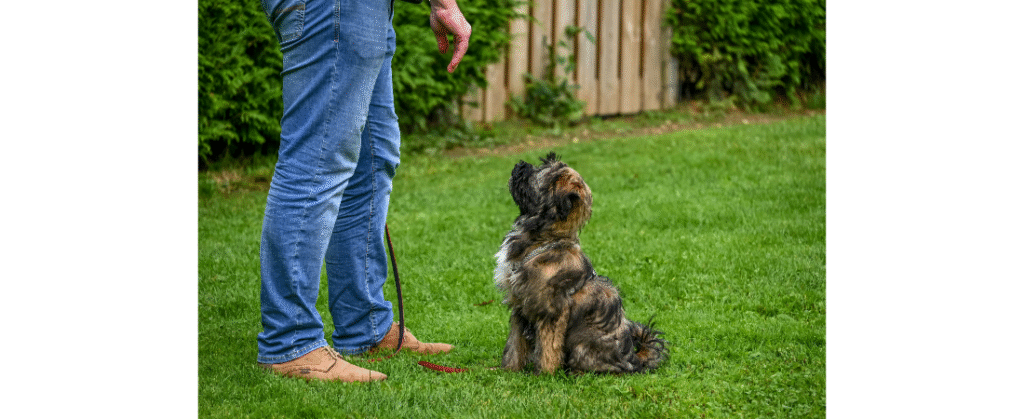
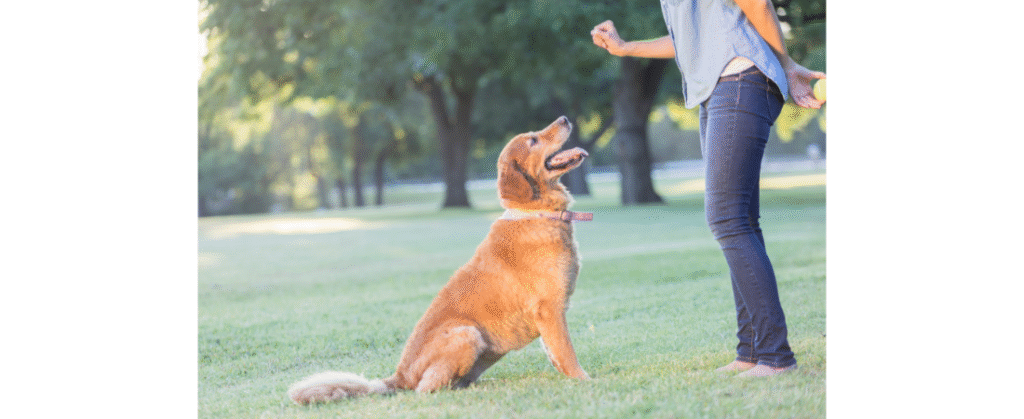
Take the command “sit” as an example. It’s one of the easiest and most useful commands because it teaches patience and self-control right from the start. Hold a treat close to your dog’s nose and slowly move your hand upward. As your dog’s gaze follows the treat, their bottom naturally lowers. The moment they sit, say “sit” and reward immediately with the treat plus warm praise. This cause-and-effect helps dogs quickly understand what they’re being asked to do. Consistency is key—short sessions no more than five minutes keep things fun without overwhelming your puppy’s attention span.
The “stay” command builds upon sit by teaching your dog to hold position despite distractions—a critical skill for safety and control. After your dog masters sitting, open your palm towards them, say “stay,” then take a step back. If they remain still even for a few seconds, reward generously. Gradually increase distance and duration while keeping rewards frequent. This progression ensures confidence without stress.
Once your dog has a solid grip on sitting and staying, adding “come” introduces vital recall ability, strengthening the bond between freedom and safety.
For “come,” start by putting a leash on your dog to maintain control. Crouch down and call their name followed by “come!” Use gentle leash guidance while speaking enthusiastically to make coming toward you a positive event. Reward immediately when they reach you. Practise in different environments with increasing distractions to build reliability—because life rarely happens distraction-free.
Next is “lie down,” which enhances control and can soothe nervous or excitable dogs by providing a calm posture during tense moments. Hold a treat in your closed hand near their nose so they sniff it, then lower your hand slowly towards the floor in front of them. When your dog follows the motion and lies down, say “down” clearly before giving the treat and praise. Consistent repetition teaches clear expectations while helping dogs settle physically and mentally.
These commands aren’t just tricks—they’re tools helping your dog navigate life calmly and confidently. Integrate short training sessions multiple times per day to encourage progress without overwhelming either of you. Remember: every success deserves positive reinforcement! Dogs respond best when learning feels rewarding rather than forced.
“Dogs do well when given clear instructions paired with kindness; they thrive on consistency backed by encouragement.”
| Command | Key Teaching Tip | Benefit |
|---|---|---|
| Sit | Use treat lure moving upward | Establishes self-control |
| Stay | Open palm & step back gradually | Builds patience & safety |
| Come | Crouch & call enthusiastically with leash guide | Ensures reliable recall |
| Lie Down | Lower treat slowly toward floor | Calms dog & improves control |
Training these basic commands sets up a foundation that opens doors for more complex behaviors—but only if the approach is consistent, positive, and tailored to your dog’s learning pace. Starting early—around 8 weeks—and weaving repetition into everyday life creates habits lasting a lifetime.
With these basics in place, addressing socialisation and managing distractions becomes crucial for shaping a confident companion prepared to handle challenges ahead.
Correcting Behaviour Issues
Addressing behaviour problems early prevents them from becoming ingrained habits. Take barking, for instance—a natural form of communication that turns problematic when it’s constant or excessive. Teaching your dog the “quiet” command can be a game-changer. When your dog barks, calmly say “quiet” in a firm tone, then wait patiently for them to stop before offering praise and a treat. It’s essential to remain consistent with this routine because dogs learn best through repetition and clear signals.
This approach works by associating silence with positive rewards, encouraging the dog to control their barking voluntarily. Dogs are smart creatures, capable of understanding subtle cues when training sessions are kept short, focused, and filled with encouragement. Skipping consistency or losing your cool often leads to confusion, making the problem persist longer.
Chewing is another common issue that many dog owners face, especially with puppies exploring their world through their mouths. Providing an abundance of appropriate chew toys channels this natural tendency into safe outlets. Whenever you catch your pet chewing an unwanted object—be it furniture or shoes—a calm but firm “no” followed immediately by redirecting them to a toy can gradually reshape that behaviour. This classic redirection technique teaches them what is acceptable without creating fear or anxiety.
Research from the American Kennel Club shows that about 60% of dogs significantly reduce destructive chewing when given proper alternatives like chew toys—a testament to how simply managing their environment can impact behaviour positively. Dogs enjoy routine and knowing boundaries as much as they crave playtime and affection.
If you feel stuck or overwhelmed dealing with persistent unwanted behaviours, remember that professional help can make all the difference. Personalised dog training services, such as those offered locally at wildsaboutdogs.co.uk, bring expertise tailored specifically to your dog’s needs and temperament. They not only teach techniques but also empower you as an owner to maintain calm authority and build a trusting relationship using positive reinforcement principles.
Training isn’t merely correcting mistakes but engaging your dog’s intelligence and motivation in a way that makes learning enjoyable rather than daunting. This mindset transforms behaviour challenges into achievable goals, setting both owner and dog up for lasting success.
Consistency, patience, and positive reinforcement form the backbone of effective behaviour correction—without these, even the best methods falter. Embracing these values helps your dog understand what you expect and fosters a happy, well-adjusted companion who thrives in your home environment.
Building trust and clear communication opens doors to more advanced training techniques that further enrich your bond with your dog. This foundation paves the way for exploring methods that emphasise rewarding good behaviour while fostering enthusiasm for learning new skills.
Positive Reinforcement Strategies
Positive reinforcement is a cornerstone of successful dog training—when done right, it not only shapes behaviour but builds a trusting, joyful relationship between you and your dog. The foundation is simple: reward your dog promptly when they do something desirable, so they learn to repeat that behaviour. But as straightforward as it sounds, mastering positive reinforcement involves attention to detail and consistency.
The basic rewards include treats, praise, and playtime, each tapping into different motivators depending on your dog’s preferences and personality. Small treats—think tiny pieces of chicken or specifically formulated training bites—work wonders because they deliver an immediate, tasty payoff without filling your dog up too quickly. Verbal praise such as cheerful “good boy” or “well done” adds an emotional boost; dogs are incredibly responsive to tone, so make it warm and enthusiastic. Playtime with a favourite toy also makes for a powerful reward, especially for energetic pups who thrive on physical interaction.
Types of Rewards
- Treats: Use small-sized bites approximately 1 gramme in weight to keep your pup motivated without overfeeding or causing distraction from training. Many trainers swear by soft, easily consumable treats given rapidly during short sessions.
- Praise: Your voice is a tool—mastering varying intonations helps your dog recognise exactly when they’ve done something right. Praise should feel like celebration rather than just routine words.
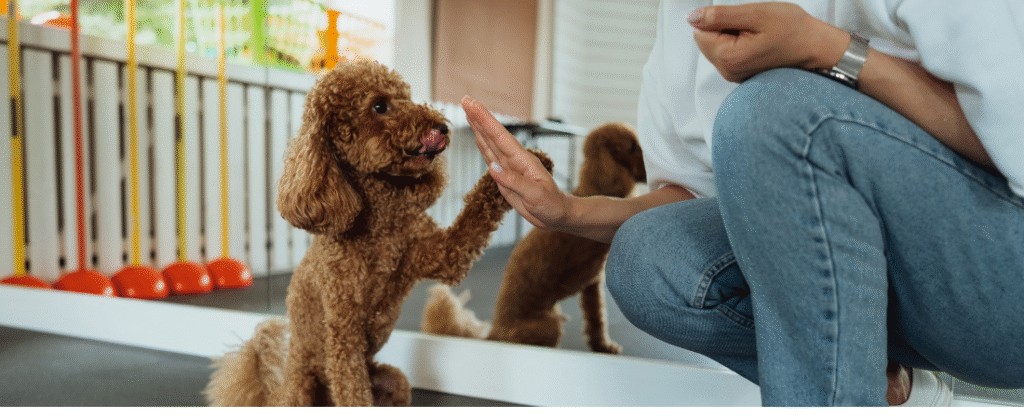
- Playtime: Integrate brief sessions of tug-of-war, fetch, or chasing a ball immediately after commands are followed. This turns training into a fun game instead of a chore for both of you.
One key point often missed is that not all dogs respond equally well to every kind of reward. For instance, some may be treat-motivated while others are more driven by praise or play. Observing what excites and inspires your dog guarantees you’re using the most effective incentives tailored uniquely to them.
The Timing of Rewards
Timing is crucial—your reward must follow literally within seconds after the positive behaviour occurs. If the pause between action and reward drifts beyond that moment, your dog may fail to associate the two correctly. Imagine trying to understand why you received a surprise gift hours after cleaning the house—it simply wouldn’t click as clearly! Sometimes owners make the mistake of praising too late or rewarding after multiple behaviours, confusing their dog about exactly what was right.
When correctly timed, these positive associations cement learning deeply in your dog’s mind and make good behaviour a natural habit rather than a forced task.
Consistency compounds this effect even further. Training sessions repeated regularly — ideally two to three times daily in short bursts lasting five to ten minutes — leverage your dog’s natural focus span without overwhelming them. This approach fosters rapid learning while avoiding boredom or frustration.
Additionally, pairing treats with verbal praise simultaneously strengthens the message because it appeals to multiple senses: taste and sound reinforce each other. Over time, you can gradually reduce treats while keeping enthusiastic vocal encouragement active, helping transition your dog from extrinsic motivation (treats) to intrinsic motivation (pleasing you).
Using positive reinforcement also offers emotional benefits beyond obedience training—it reduces fear and anxiety by making learning enjoyable and safe. Dogs trained this way trust their owner more deeply and are less likely to develop behavioural problems caused by stress or confusion.
Mastering these techniques sets the stage for exposing your dog safely and confidently to new experiences—a vital step in raising a well-rounded companion who thrives in all environments.
Essential Socialisation Tips

Socialisation is the cornerstone of a well-adjusted dog. From the moment you bring your puppy home, it’s crucial to gradually introduce them to new experiences—people, places, and other animals. This process shapes not only their behaviour but also their emotional resilience. Dogs exposed safely and consistently to a variety of stimuli in early life tend to grow into calm, confident companions rather than anxious or fearful ones.
Controlled socialisation is especially important because it offers puppies a structured and safe setting where they can learn appropriate canine manners without being overwhelmed. Puppy classes are an excellent example of this controlled environment. At Wilds About Dogs, our puppy social classes create a balanced space where each puppy’s individual needs are respected while they engage in positive interactions under professional supervision. These sessions help prevent common issues like fear aggression or shyness by teaching your puppy how to read canine body language and respond appropriately.
Beyond classes, real-world exposure remains vital for social growth. Daily walks provide opportunities to encounter diverse scenarios—a bustling park, quiet streets, pet-friendly shops—that build your dog’s adaptability. Keep these outings short and positive; overwhelming your puppy with too many new things at once can backfire. Encourage calm curiosity by rewarding relaxed behaviour as your pup explores unfamiliar sights, sounds, and smells.
Research supports this approach: about 90% of dogs exposed to varied environments and gentle social experiences during their critical first 12 weeks show fewer behavioural problems later in life. This demonstrates that careful, consistent introduction not only reduces anxiety but also fosters flexibility essential for family life.
Always keep an eye on stress signals from your dog—like yawning excessively, lip licking, or turning away—and slow down when needed. Remember that positive associations reinforce confidence, so pair new experiences with treats, praise, or play. When in doubt, professional guidance can make all the difference; trainers at Wilds About Dogs specialise in helping you tailor socialisation plans suited to your dog’s temperament and development stage.
Proper socialisation sets the stage for a well-rounded, confident dog. Early investment in these techniques builds a foundation for lifelong good behaviour and emotional health.
Socialisation is not just about exposing your puppy to new things—it’s about creating positive and lasting experiences that shape their future happiness. With patience, consistency, and professional support when needed, you’ll nurture a truly balanced companion.